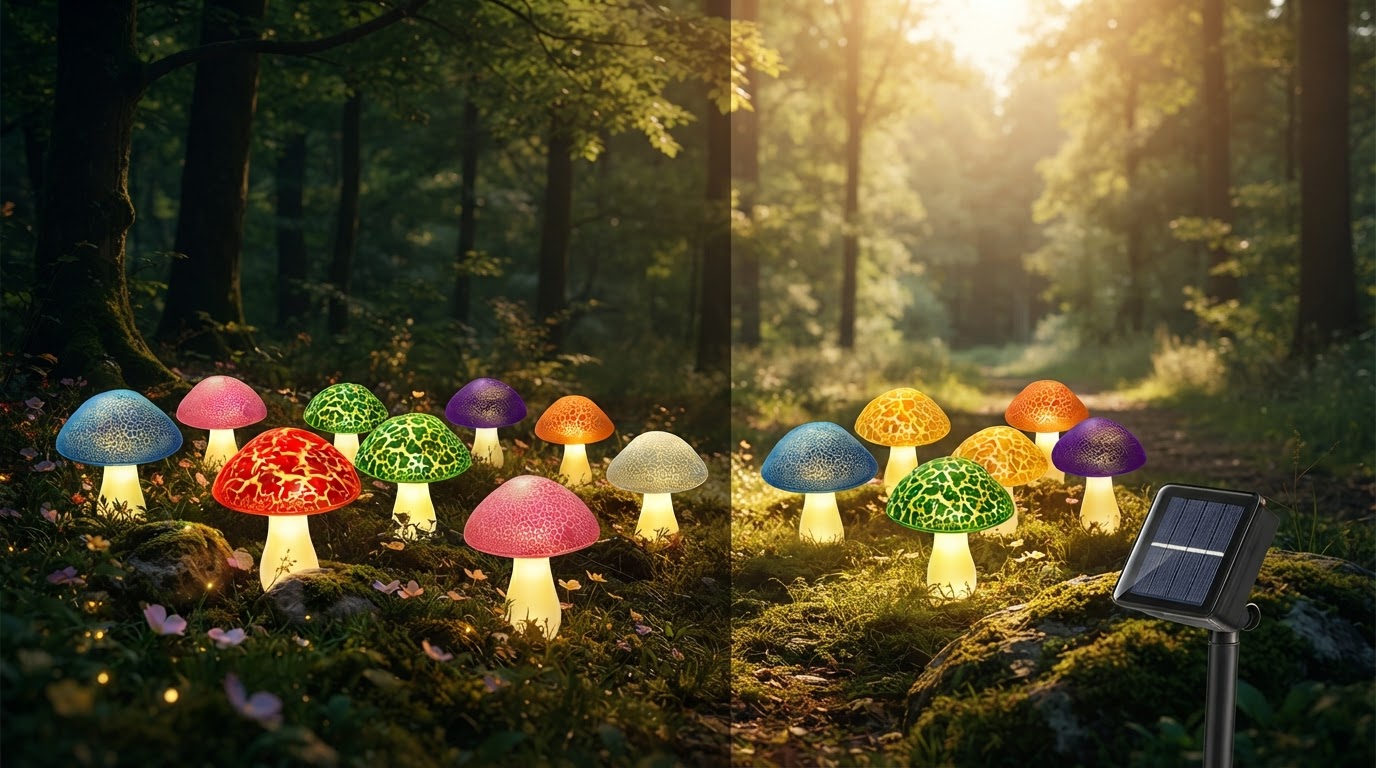
Do Solar Mushroom Lights work for forest landscape lights?
 Maya ChenContributing Editor
October 15, 2026 — Solar Mushroom Lights provide a functional, low-maintenance alternative to wired forest lighting, provided the canopy density allows for at least four hours of direct photovoltaic exposure.
The conventional wisdom says that solar-powered fixtures are inherently incompatible with forested environments due to the dense canopy cover. However, as residential landscapes increasingly incorporate "wilding" elements, the demand for off-grid illumination in shaded zones has forced a shift in how we evaluate solar efficiency in dappled light. Property owners are no longer satisfied with the high cost of trenching low-voltage lines through complex root systems, making the self-contained nature of Solar Mushroom Lights a logical, if debated, focal point.
How do Solar Mushroom Lights compare to wired forest fixtures?
Solar Mushroom Lights offer a significant reduction in installation complexity and root system disruption compared to traditional wired systems. While the industry standard for wired landscape lighting often involves 12V or 24V transformers, Solar Mushroom Lights operate as independent nodes, eliminating the need for invasive trenching that can damage tree health. Here’s the part nobody talks about: the trade-off is often in consistent runtime. According to specifications from Sunco Lighting, typical solar path lights provide 8 to 10 hours of reliable lighting, but this is contingent on an IP65 weatherproof rating and a functional photocell that isn't obstructed by falling forest debris. In a forest setting, the accumulation of leaf litter on the solar panel can reduce efficiency by over 40% within a single week. Run the math: a wired system provides 100% uptime regardless of weather, while a solar fixture in a forest requires a strict maintenance schedule to clear the solar cells. For those managing waterproof solar pathway lights, the durability against moisture is high, but the energy harvest remains the primary bottleneck in deep woods.
Can Solar Mushroom Lights maintain brightness under tree canopies?
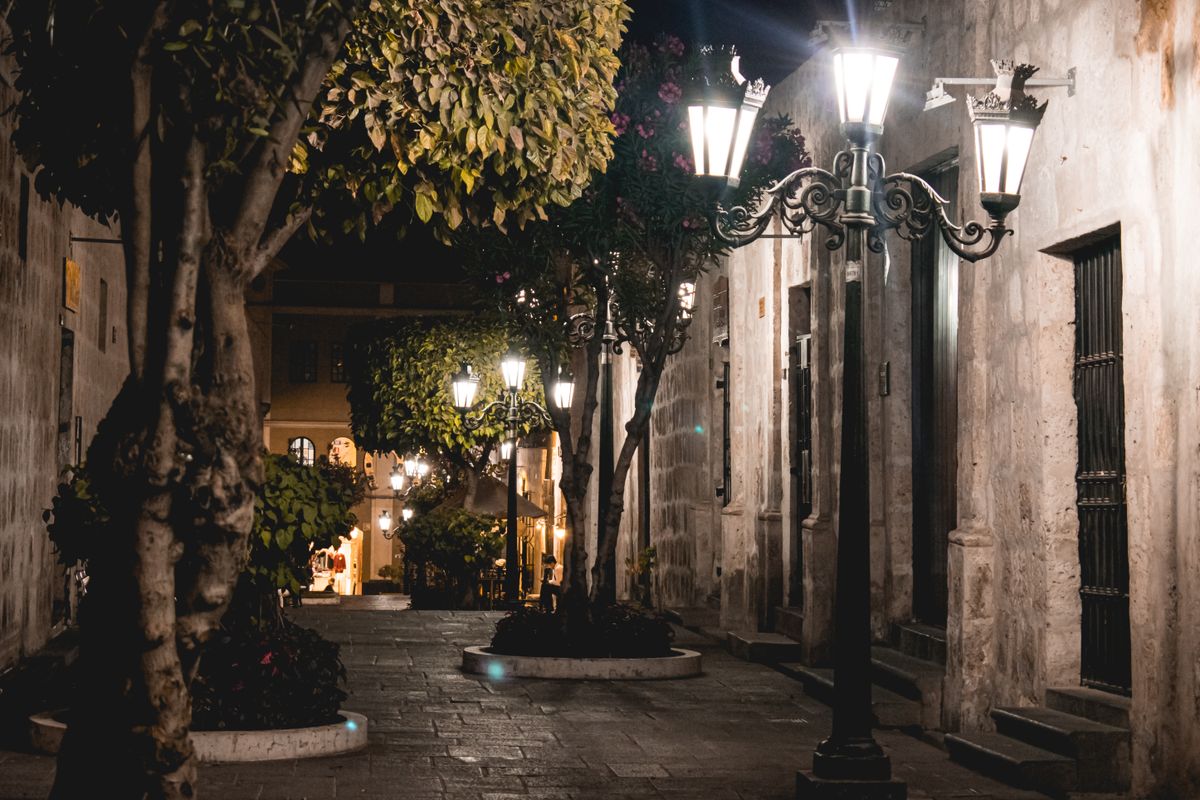
Photo by Jorge Luis Acasiete Conza on Pexels
Brightness levels in Solar Mushroom Lights are sufficient for navigational markers but rarely match the high-lumen output of dedicated solar generator kits. While EarthTech Products offers 50-watt solar generator kits capable of powering fixtures for three days on a single charge, Solar Mushroom Lights rely on smaller, integrated panels that prioritize aesthetic diffusion over raw power. The light output is adequate for highlighting floor-level textures, which is critical when applying Solar Mushroom Lights to low-profile landscapes. Data from VOLT Lighting suggests that aluminum-constructed solar path lights generally last up to 6 hours on a standard charge, a figure that drops significantly when placed under a 70% density forest canopy. I’ll change my mind when integrated panels can achieve a full charge using only ambient UV or infrared spectrums, but currently, placement must be strategically limited to clearings or edges where the sun hits the forest floor for at least a portion of the day. For long-term viability, users should consult a 3-point framework for waterproof solar mushroom lights to ensure the internal components aren't compromised by the high humidity levels typical of wooded areas.
Quick answers
Q: How many hours of light do Solar Mushroom Lights provide in shade? A: In partial shade, these fixtures typically provide 3 to 5 hours of light, which is roughly 50% less than the 8 to 10 hours advertised by brands like Sunco Lighting for full-sun conditions.Q: Will forest moisture destroy the solar components? A: Most high-quality Solar Mushroom Lights carry an IP65 rating, which protects against rain and humidity, though they are not designed for submersion in forest bogs or standing water.
Q: Are Solar Mushroom Lights bright enough for safety on forest trails? A: They serve as effective markers for path edges, but with runtimes often limited to 6 hours as noted by VOLT Lighting, they should not be the sole light source for high-traffic safety areas after midnight.
Learn more about Solar Mushroom Lights at https://solyramushroomlights.com.
Sources
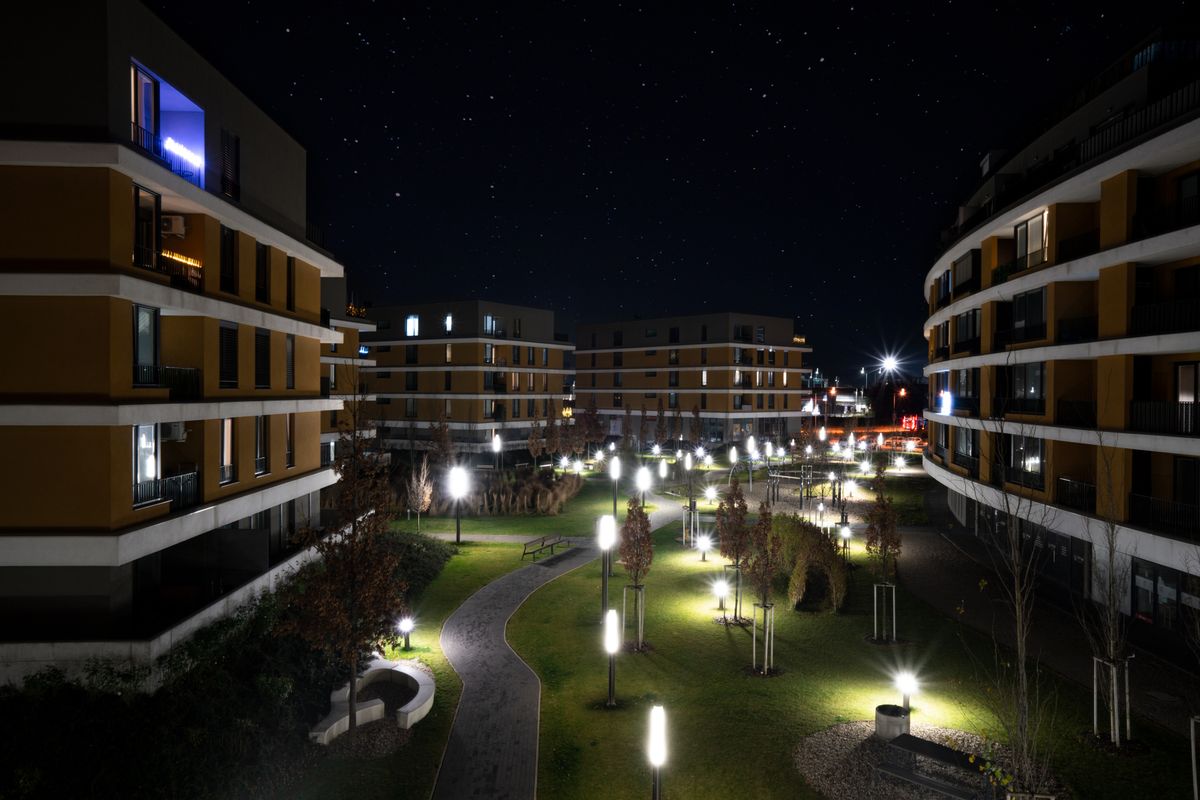
- Solar Powered Landscape Lighting - Brilliance Outdoor
- Solar Lights - Solar Powered Outdoor Lights | VOLT® Lighting
- Solar Lighting - Sunco Lighting