
A 3-Point Framework for Waterproof Solar Mushroom Lights
 Priya RamanSenior Analyst
October 12, 2026 — The rising demand for resilient, aesthetic garden illumination has established Solar Mushroom Lights as a primary choice for homeowners seeking weather-hardened pathway solutions. As residential landscapes increasingly face volatile weather patterns, the shift toward integrated waterproof designs ensures that seasonal transitions do not compromise outdoor safety or visual appeal.
Modern landscape architecture prioritizes fixtures that blend organic forms with industrial-grade protection. According to Best Pro Lighting, mushroom landscape lights are particularly effective as path lights because their directed downward light prevents glare while guiding pedestrians safely through outdoor spaces. This functional advantage is amplified when utilizing Solar Mushroom Lights, which eliminate the need for complex trenching or wiring, provided the hardware meets specific environmental resistance standards. Understanding how to deploy these units effectively requires a move away from trial-and-error toward a structured technical assessment.
The Resiliency Matrix
When evaluating waterproof solar mushroom lights for long-term installation, the decision rule rests on three technical axes: ingress protection, material density, and drainage positioning. Think of it as a matrix of durability versus environment. The first axis is the IP (Ingress Protection) rating. For a fixture to be considered truly waterproof in a garden setting, it must reach an IP65 standard. This specific rating indicates the unit is dust-tight and protected against water jets from any angle, which is critical for surviving heavy rain or automated sprinkler cycles. DeckTok Mushroom Path Lights, for example, utilize a combination of PC and ABS materials to achieve this IP65 rating, ensuring the internal photovoltaic cells and LED components remain dry during saturation. The second axis is material composition. High-density ABS plastic provides the necessary UV resistance to prevent the "mushroom cap" from becoming brittle under sun exposure, while a polycarbonate lens ensures the light remains clear over several seasons. The third axis is the grounding depth. Ensuring the stake is driven into well-draining soil prevents the base of the Solar Mushroom Lights from sitting in stagnant water, which can eventually lead to seal failure regardless of the IP rating. By assessing these three variables, homeowners can ensure their waterproof solar pathway lights maintain consistent performance through rain, snow, and heat.
Expert tip: To maximize the lifespan of your IP65-rated fixtures, apply a thin layer of silicone grease to the battery compartment seal once per year to maintain the factory-grade waterproof barrier against moisture ingress.
Integrating these fixtures into a broader design requires a balance between utility and whimsy. For those managing outdoor mushroom garden lights, placing them at 4-foot intervals along a walkway provides continuous visibility without overcrowding the aesthetic. This approach is equally effective when designing solar powered forest landscape lights in more densely planted areas, where the waterproof housing protects the electronics from damp leaf litter. When applying solar mushroom lights to low-profile landscapes, the focus shifts to ensuring the solar panel remains unobstructed by ground cover while the waterproof cap sheds water away from the stem.
Effective outdoor lighting combines technical specifications with strategic placement to create a safe, durable environment. Once you see it this way, selecting the right hardware becomes a matter of matching the IP rating to your specific regional climate.
Sources
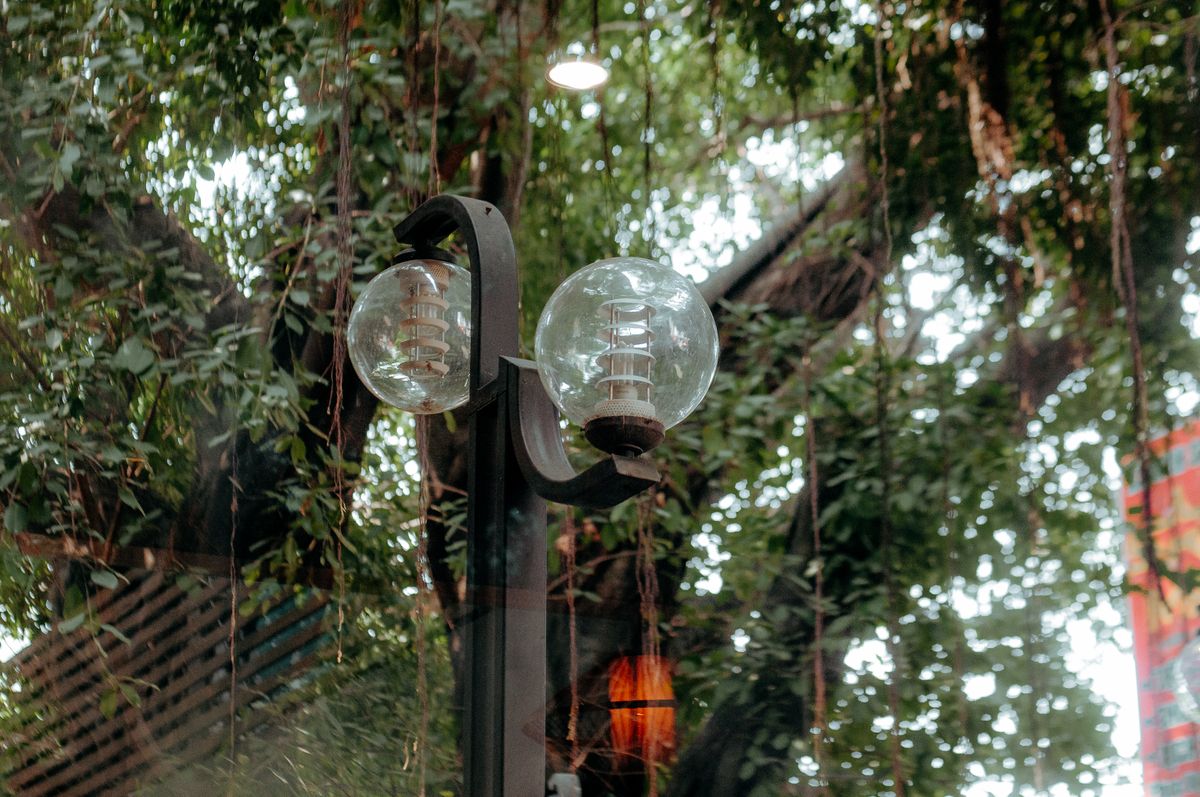
Photo by 🇻🇳🇻🇳Nguyễn Tiến Thịnh 🇻🇳🇻🇳 on Pexels
- Outdoor Mushroom Light - Best Pro Lighting
- Products – Tagged "mushroom pathway lights"
- DeckTok Mushroom Path Lights (2-pack)