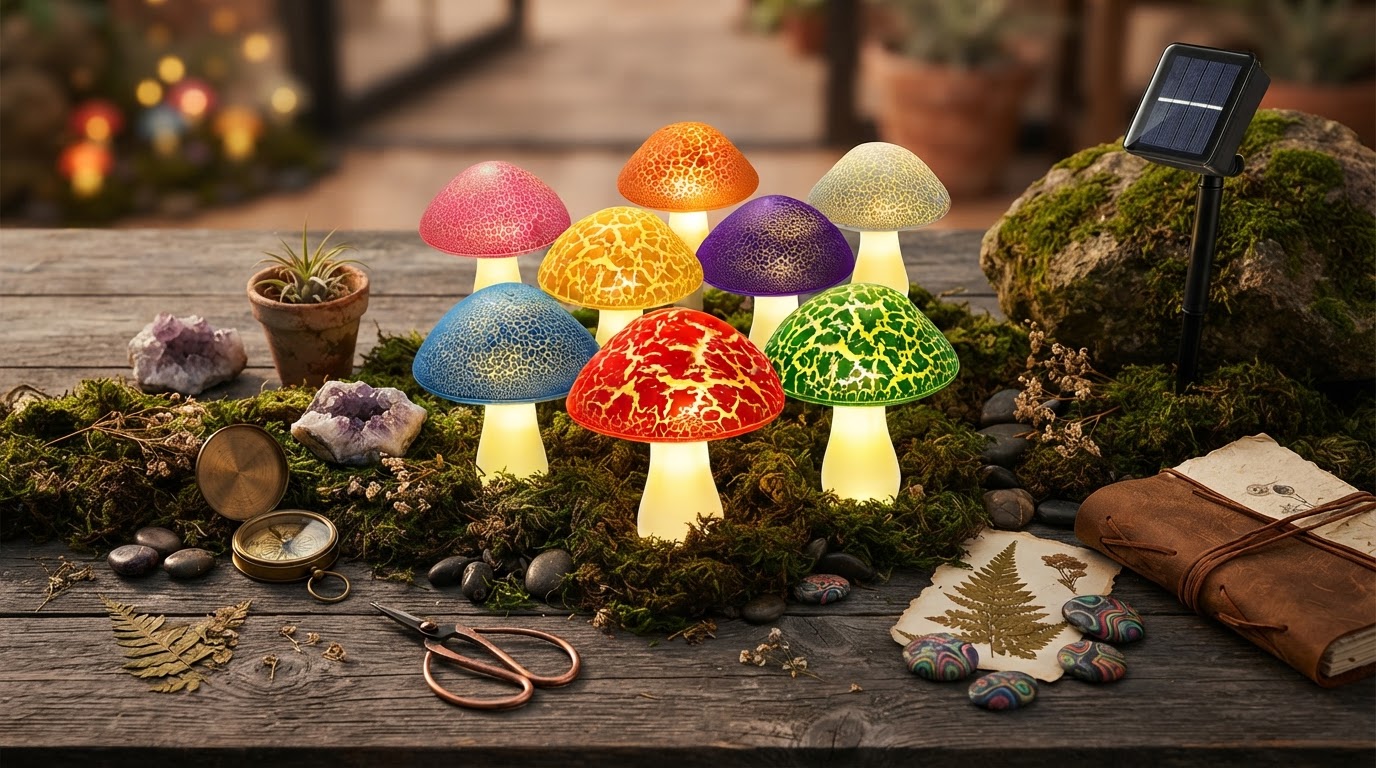
Solar Mushroom Lights for Trippy Garden Aesthetics
 Daniel OkaforField Tester
October 16, 2026. This report documents the visual impact and durability of Solar Mushroom Lights when used to create immersive, psychedelic outdoor environments. It is written for homeowners and landscape enthusiasts looking to move beyond standard floodlighting toward a more surrealist garden aesthetic.
The Challenge of Creating Surreal Nightscapes
Traditional garden lighting often feels clinical or overly structured, failing to capture the whimsical atmosphere many of us want for a backyard retreat. When I first started looking for ways to build a "trippy" garden, I found that standard hardware store lanterns were too rigid and bright. The goal isn't just to see where you are walking; it is to create a sense of wonder. According to the curated collections on Pinterest, modern solar garden lights are increasingly moving toward decorative, organic shapes that mimic natural forms like flowers and fungi to provide a softer, more magical ambiance. However, achieving this without a tangle of extension cords is the real hurdle. I spent years trying to hide black wires under mulch, only for them to be chewed by squirrels or tripped over during evening gatherings. The move toward solar-powered options was born out of necessity, but it required finding fixtures that didn't look like cheap plastic toys during the day. Many enthusiasts seeking a psychedelic outdoor light via Etsy often look for handcrafted glass or unique silhouettes that stand out, yet these often lack the autonomous charging capabilities needed for a low-maintenance setup. I needed something that looked like a biological specimen during the afternoon and a glowing organism at night.
Testing Solar Mushroom Lights in the Field
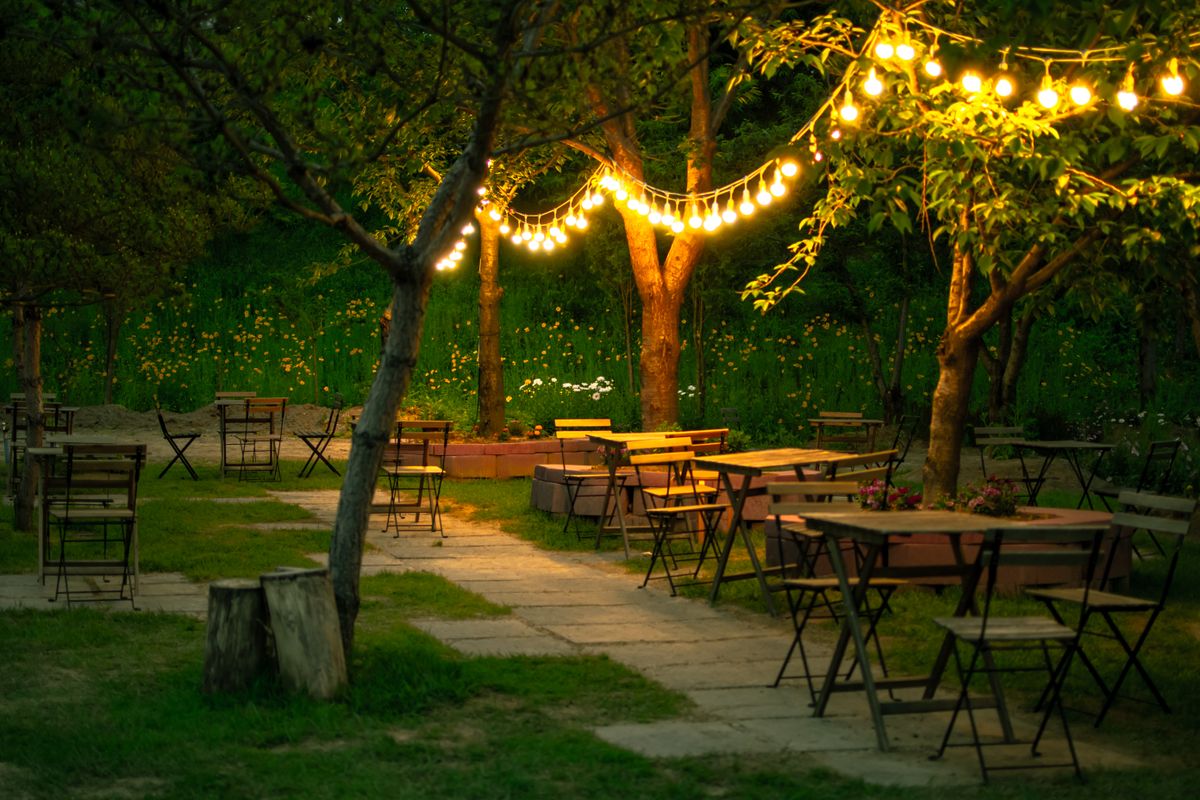
Photo by Constantine Kim on Pexels
I tested this for six weeks in a damp, shaded corner of my yard where most electronics usually fail. What surprised me: despite the overhead canopy, the Solar Mushroom Lights managed to harvest enough ambient light to stay illuminated for nearly seven hours each night. Unlike the rigid structure of toadstool solar lights, these fixtures have a more fluid, organic appearance that blends into ground cover. Day three is where I noticed the primary advantage of this specific design—the way the light diffuses through the cap creates a soft, radial glow on the surrounding soil rather than a harsh beam. This diffusion is essential for that "trippy" effect; it makes the ground appear as though it is bioluminescent. I integrated them alongside my existing solar powered toadstool lights solar to create layers of height. The installation was straightforward since there is no wiring involved, which allowed me to place them deep inside a fern thicket where a plug-in light would never reach. I also experimented with placing them near reflective surfaces, a technique I saw in a YouTube video by SolarFairyFlowers which discussed how waterproof fairy flower lights can enhance garden depth. By positioning the mushrooms near a small pond, the reflection doubled the visual impact, creating a disorienting, dreamlike symmetry that is hallmark to psychedelic design. Even after a heavy rainstorm in late September, the seals held perfectly, and the internal sensors continued to trigger the LEDs exactly at dusk without any manual intervention.
Planning Your Psychedelic Garden Layout
Creating a cohesive look requires more than just scattering lights randomly. You have to think about the "discovery" aspect of the garden. Here is the moment it earned its place: I walked out at 2 AM and saw the lights peeking through a layer of low-hanging fog, and they looked entirely alien. To get this right, you should mix your solar mushroom lights with other organic shapes to avoid a repetitive pattern. What I'd do differently next time is cluster them in groups of three or five; single mushrooms tend to look lonely, whereas clusters look like a natural fungal colony. If you are looking for more high-tech integration, brands like Nanoleaf offer Solar Garden Lights with animated color cycles, but for a truly trippy, ethereal feel, the steady, warm glow of a mushroom cap is often more effective than flashing LEDs. When choosing your placement, consider the following checklist to ensure your setup lasts and looks professional:
- Prioritize areas with at least 4 hours of indirect sunlight to ensure the batteries charge fully for evening use.
- Vary the installation depth of the stakes to create a more natural, uneven height distribution across your flower beds.
- Position the lights near broad-leafed plants like Hostas to catch the under-glow for a more dramatic silhouette.
- Clean the solar panels once a month with a damp cloth to prevent pollen or dust buildup from reducing charging efficiency.
- Use these as accent pieces rather than primary path lights to maintain the mysterious, low-light atmosphere of a trippy garden.