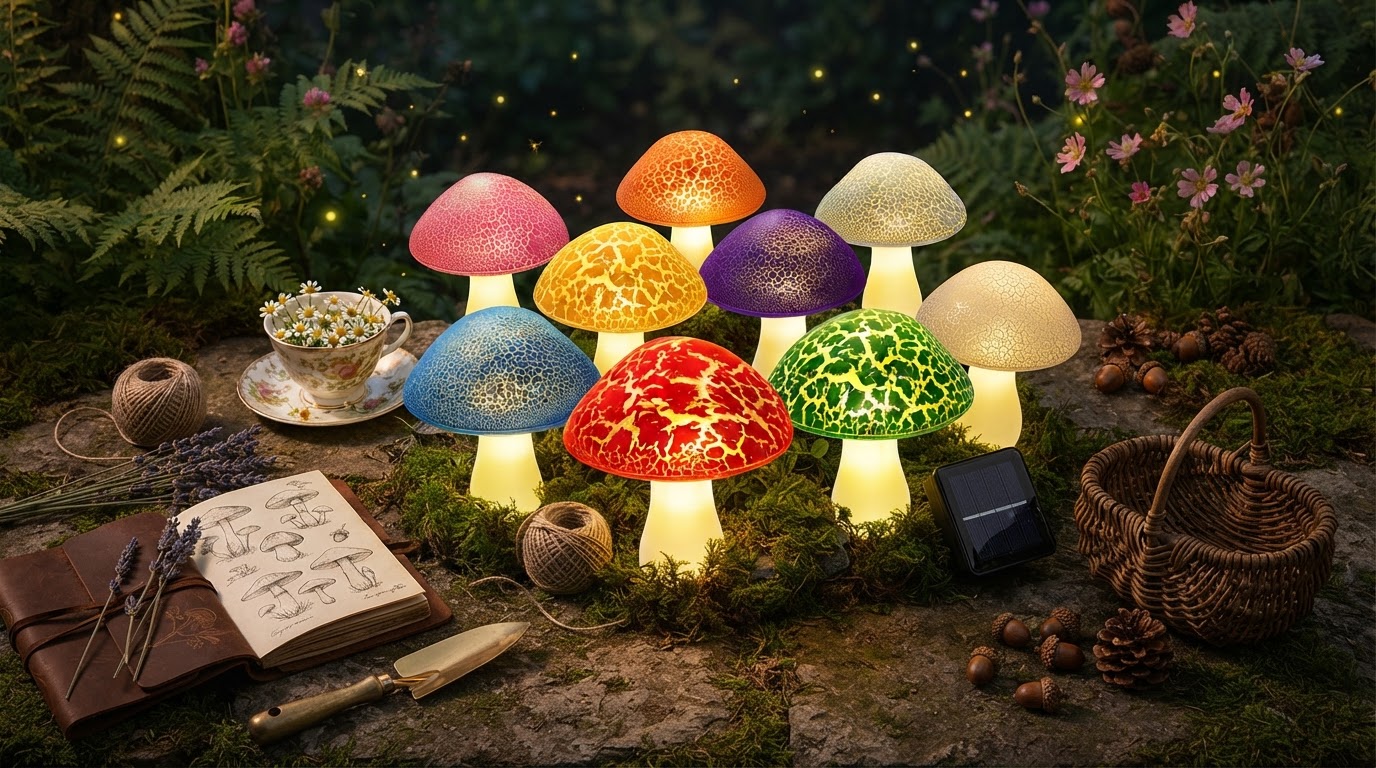
Applying Cottagecore Aesthetics with Solar Mushroom Lights
 Priya RamanSenior Analyst
September 1, 2026. This analysis examines the integration of sustainable illumination within the popular cottagecore design movement. It serves as a technical resource for homeowners seeking to blend naturalistic aesthetics with modern photovoltaic efficiency.
The Structural Elements of Cottagecore Landscapes
Designing a cottagecore garden requires a departure from the rigid, geometric lines of modernism in favor of organic shapes and soft transitions. The movement emphasizes a return to traditional craftsmanship and a perceived harmony with nature. Two axes matter here: the balance between intentional growth and wild overgrowth, and the contrast between functional utility and whimsical decoration. According to Architectural Digest, the cottagecore aesthetic relies heavily on nostalgia and the creation of a sanctuary that feels disconnected from the digital age. This design philosophy often faces a technical challenge: how to provide necessary visibility without introducing harsh, industrial hardware that breaks the visual narrative. Traditional floodlights or standard plastic bollards often clash with the delicate textures of moss, ferns, and wildflowers. Homeowners frequently struggle to find lighting solutions that remain invisible during the daylight hours while providing a soft, ambient glow at night. The goal is to facilitate [whimsical backyard lighting ideas](/blog/whimsical-backyard-lighting-ideas) that maintain the garden's character across all twenty-four hours of the day. Without a structured approach to placement, lighting can become either too sparse to be safe or too bright to be atmospheric, destroying the very escapism the gardener seeks to cultivate.
Integrating Solar Mushroom Lights into Naturalistic Settings
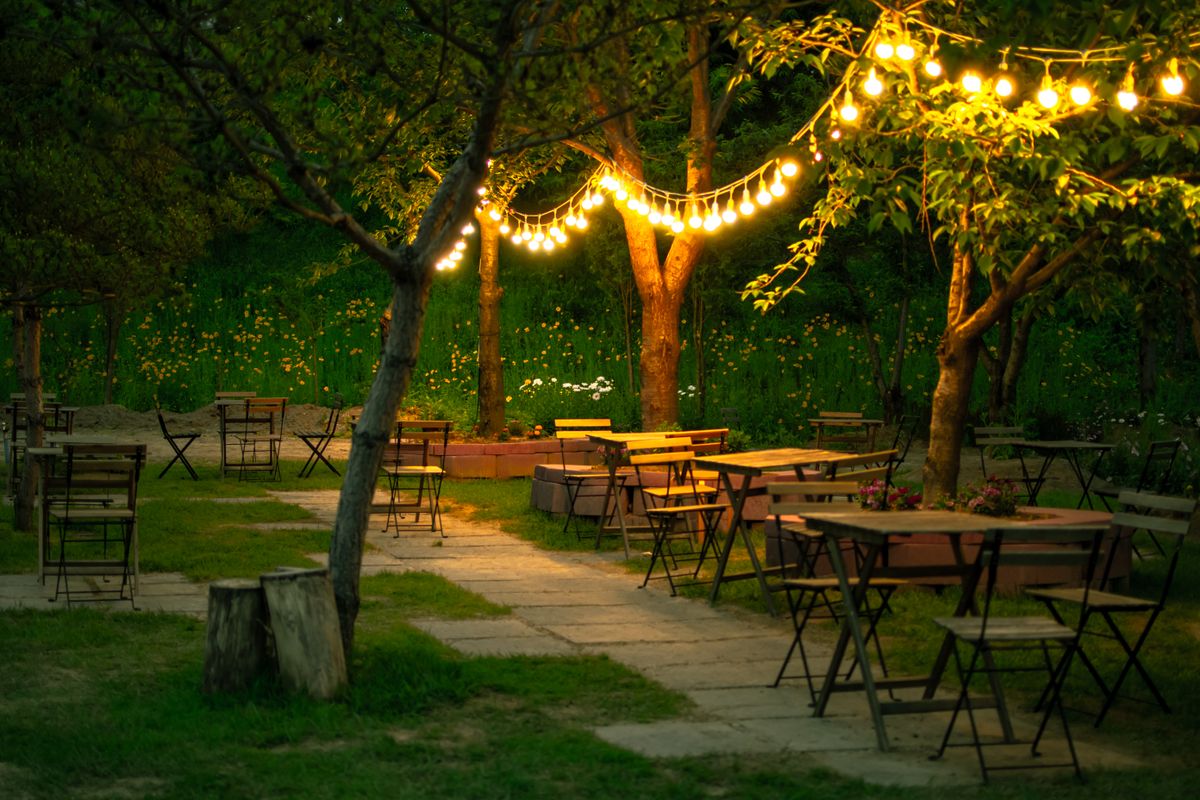
Photo by Constantine Kim on Pexels
Solar Mushroom Lights provide a functional synthesis of these competing design needs by mimicking the organic forms found in forest floor ecosystems. These fixtures utilize discrete solar panels to charge internal batteries, eliminating the need for trenching or external wiring that would disrupt established root systems. Think of it as a matrix of height, light temperature, and density. By varying the placement of these units, designers can create depth in low-light environments. For instance, [solar powered fairy mushrooms](/blog/solar-powered-fairy-mushrooms) can be clustered at the base of large oaks to simulate natural fungal growth, while [solar powered fairy mushroom path lights](/blog/solar-powered-fairy-mushroom-path-lights) serve a dual purpose of guidance and ornamentation. The materials used in Solar Mushroom Lights are selected to weather naturally, allowing the caps to blend into the foliage. Unlike high-intensity LEDs that produce a blue-tinted light, these units are typically calibrated to a warmer Kelvin scale, which enhances the earthy tones of a cottage garden. This specific color rendering is essential for maintaining the "fairy core" look, which relies on a soft-focus effect. By utilizing fairy core outdoor lighting strategies, gardeners can highlight specific textures, such as the velvet of a silver mound artemisia or the intricate patterns of a hosta leaf, without the glare associated with standard security lighting. Once you see it this way, the lighting becomes an extension of the planting scheme rather than a separate utility. This approach ensures that the garden remains a cohesive unit, where the transition from daylight to dusk feels like a natural progression rather than a mechanical switch.
The Decision Rule for Sustainable Whimsy
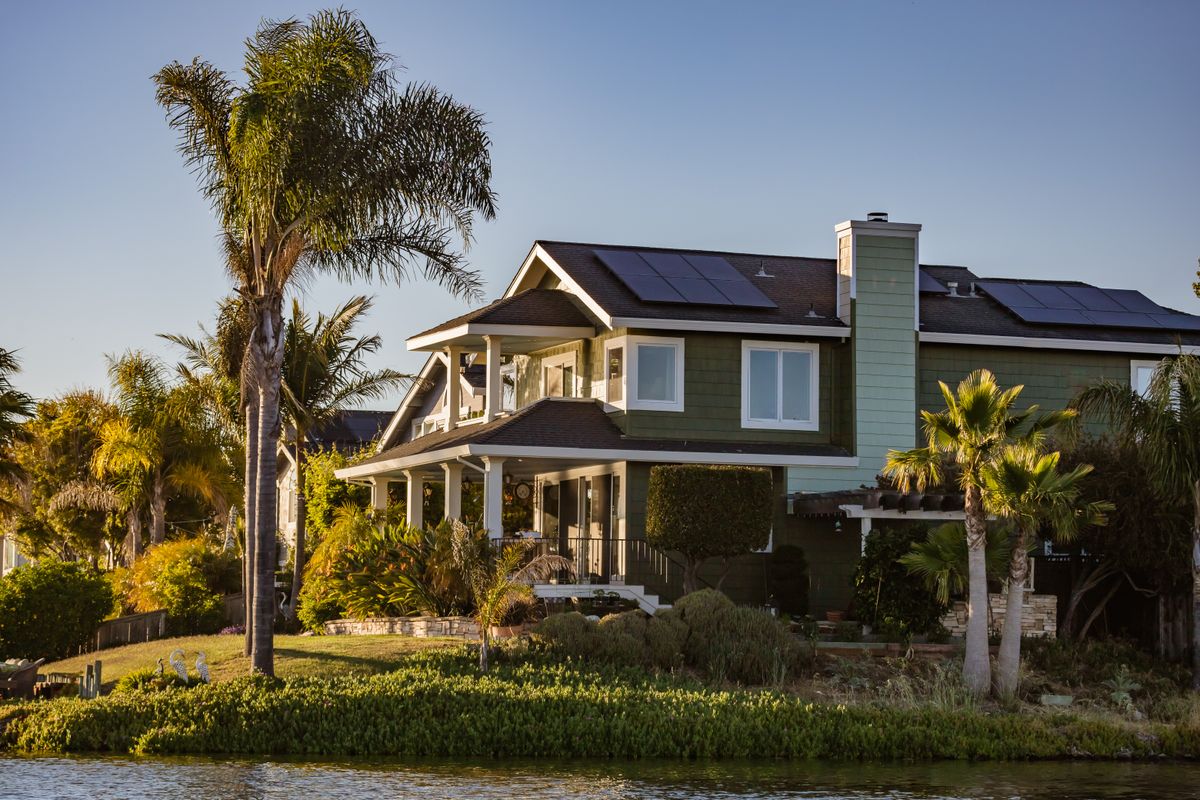
The selection process for outdoor illumination should follow a strict framework to ensure both aesthetic alignment and long-term durability. When evaluating options for a cottagecore-themed space, the decision rule is to prioritize fixtures that offer the highest degree of camouflaged utility. This means the hardware must look like a natural artifact when the sun is up and a magical element when the sun is down. To achieve this, consider the following technical checklist:
- Assess the solar exposure of the intended installation site to ensure a minimum of six hours of direct light.
- Verify the IP rating of the fixtures to ensure they can withstand local precipitation and humidity levels without fogging.
- Select a variety of heights to avoid a flat, two-dimensional light plane across the garden floor.
- Coordinate the light temperature across all units to prevent clashing between warm and cool white outputs.
- Plan for seasonal changes in foliage density that may obscure solar sensors during peak growth months.
Shop Solar Mushroom Lights here