
Solar Mushroom Lights: 5 Steps to Eco-Friendly Paths
 Maya ChenContributing Editor
August 29, 2026 — The shift toward sustainable landscaping has moved beyond simple aesthetics to a rigorous demand for energy independence, led largely by the adoption of Solar Mushroom Lights in residential garden design.
The conventional wisdom says that high-voltage wired lighting is the only way to achieve reliable pathway illumination, but this ignores the mounting infrastructure costs and ongoing carbon footprint of traditional systems. According to data from the U.S. Department of Energy, outdoor lighting accounts for a significant portion of residential energy use, which has prompted a pivot toward photovoltaic solutions that require zero grid draw. Homeowners are increasingly looking for ways to reduce light pollution while maintaining safety, a balance that is difficult to strike with standard floodlights.
The 5-Step Sustainable Setup
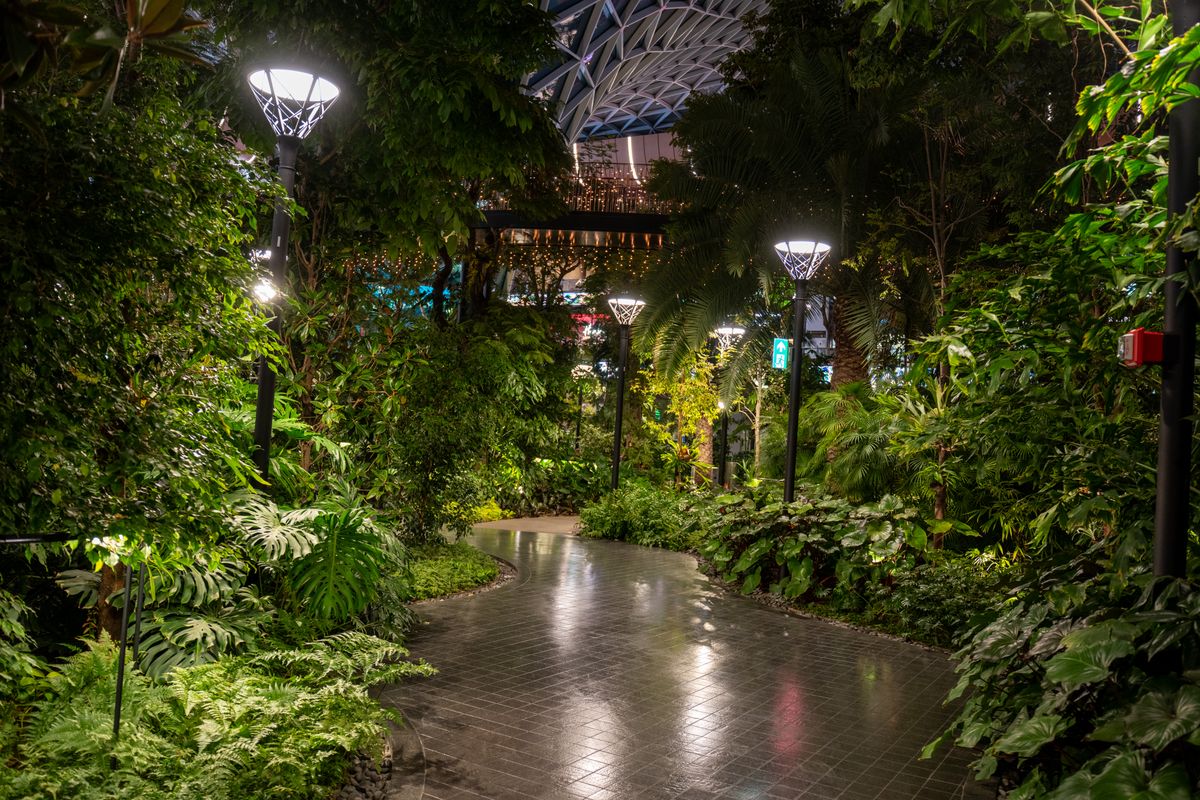
Implementing a pathway system with Solar Mushroom Lights requires a technical approach to placement and energy management rather than a decorative one. First, evaluate the solar solar insolation levels of your specific micro-climate; these units typically require 6 to 8 hours of direct exposure to achieve a full discharge cycle. Second, map the pathway using a staggered layout to prevent 'light tunneling,' which occurs when fixtures are placed in parallel rows, creating a harsh, runway-like effect. Third, ensure the soil density is sufficient for the integrated stakes to prevent tilting, which disrupts the light throw pattern. Fourth, verify that the placement does not interfere with existing irrigation schedules, as consistent water exposure can eventually degrade lower-tier seals, even those with high IP ratings. Finally, clean the photovoltaic cells monthly to ensure maximum conversion efficiency. Run the math: a thin layer of dust can reduce energy intake by up to 25%, directly shortening the runtime during the evening hours. When selecting hardware, many users prefer the aesthetic of a cracked glass mushroom solar lights review to provide diffused, rather than direct, glare. For those focusing on mushroom landscape lighting for flower beds landscape, the height of the fixture must exceed the mature height of the surrounding flora to avoid shading the solar panel. Integrating these into the best solar lights for garden landscaping strategy requires a disciplined adherence to spacing—usually 3 to 5 feet apart—to maintain a continuous visual guide without over-illuminating the space. Choosing the best solar lights for garden landscaping involves looking past the lumen count and focusing on the battery chemistry and discharge curve.
Expert tip: Use a light meter to ensure your pathway maintains at least 1 foot-candle of illumination at ground level; if your Solar Mushroom Lights fall below this due to canopy shade, you must relocate them or risk the system failing to meet basic safety standards.
Here’s the part nobody talks about: most eco-friendly claims ignore the lifecycle of the lithium-ion batteries inside the units. I’ll change my mind when manufacturers provide a clearer path for localized battery recycling programs that match the longevity of the LED components themselves.