
Optimizing Landscapes with Solar Mushroom Lights
 Maya ChenContributing Editor
October 20, 2026. This analysis details the strategic placement and functional advantages of Solar Mushroom Lights within residential garden ecosystems. It is intended for homeowners and landscape designers seeking to replace high-wattage floodlighting with targeted, low-level illumination.
The Failure of High-Lumen Saturation
The conventional wisdom says that more light equals more safety and better visibility in a garden. However, saturating an outdoor space with high-intensity floodlights often results in harsh glares and deep, inaccessible shadows that actually decrease peripheral vision. According to Best Pro Lighting, mushroom lights are specifically designed to illuminate pathways and highlight features by casting a downward, unique ambiance over the outdoor space rather than projecting light upward into the night sky. This downward orientation is critical for preserving nocturnal visibility. When light is directed toward the ground, it defines the walking surface without blinding the pedestrian. The industry trend toward "brighter is better" ignores the biological reality of human eye adjustment. High-lumen bulbs cause the pupils to constrict, making any area outside the direct beam appear pitch black. By utilizing waterproof solar pathway lights, designers can create a graduated light profile that allows the eye to maintain its natural night vision. This approach is not merely aesthetic; it is a functional requirement for safe navigation through complex garden layouts where uneven terrain is common. The Pinterest community, where over 190 people recently searched for specific mushroom garden lights concepts, reflects a growing consumer shift away from industrial-style security lights toward fixtures that respect the natural environment.
Technical Integration of Solar Mushroom Lights
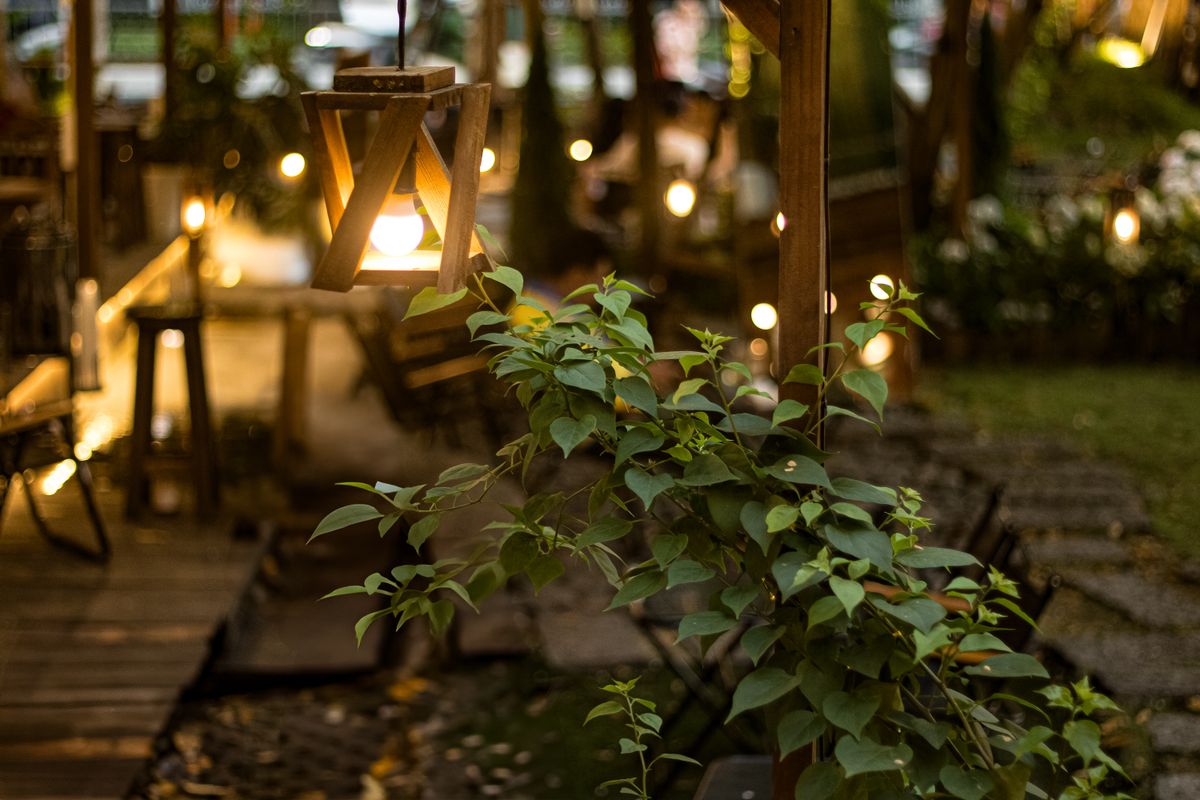
Photo by Duy's House of Photo on Pexels
Here's the part nobody talks about: the efficiency of a solar fixture is entirely dependent on its integration with the local topography. Solar Mushroom Lights solve the cabling dilemma that plagues traditional low-voltage systems, but they require precise placement to maintain battery health. Run the math: a standard solar cell needs approximately six to eight hours of direct photovoltage to provide consistent dusk-to-dawn operation. Unlike mini solar mushroom lawn ornaments which are often treated as purely decorative afterthoughts, professional-grade mushroom stakes serve as primary navigational markers. These units, such as the Mushroom Led Color Changing Solar Powered Garden Light, utilize dual lighting features and automatic color changes to provide both functional illumination and visual interest. The internal circuitry manages power distribution to ensure the LED output remains constant even as the battery discharge curve drops. This is where many budget-tier alternatives fail; they lack the voltage regulation necessary to prevent flickering in the early morning hours. By scattering solar fairy mushroom stakes among lower-lying groundcover, you create a layered lighting effect that mimics natural bioluminescence while maintaining a clear perimeter. The moisture-sealed housing of these units ensures that soil contact does not lead to terminal corrosion, a common failure point in poorly manufactured outdoor electronics. When these lights are deployed in clusters, they create a cohesive visual language that guides the eye through the garden, rather than just pointing at a single object.
A Decision Framework for Outdoor Lighting
Photo by Jimmy Liao on Pexels
Choosing the correct fixture requires a move away from emotional purchasing toward a data-driven assessment of the space. I'll change my mind when traditional wired systems can match the zero-footprint installation speed and adaptability of solar-powered units, but until then, the flexibility of the stake-mounted design is superior for evolving landscapes. To ensure the Solar Mushroom Lights perform to their technical specifications, a rigorous evaluation of the installation site must be conducted. This involves mapping the movement of shadows across the property throughout the day, as even partial shading from a fence or tree limb can reduce charging efficiency by up to 40%. The following checklist provides a framework for professional-grade deployment:
- Identify primary transit corridors where waterproof solar pathway lights are required for safety.
- Measure the distance between fixtures to ensure overlapping light pools, preventing "black holes" in the path.
- Verify that the solar panel surface is unobstructed by foliage or overhanging eaves.
- Select units with high-capacity rechargeable batteries to handle consecutive overcast days.
- Coordinate the placement of solar fairy mushroom stakes with existing perennial beds to highlight seasonal growth.
- Audit the site at 10:00 PM to confirm that light spill does not enter neighboring windows or disrupt local wildlife.
Shop Solar Mushroom Lights here.