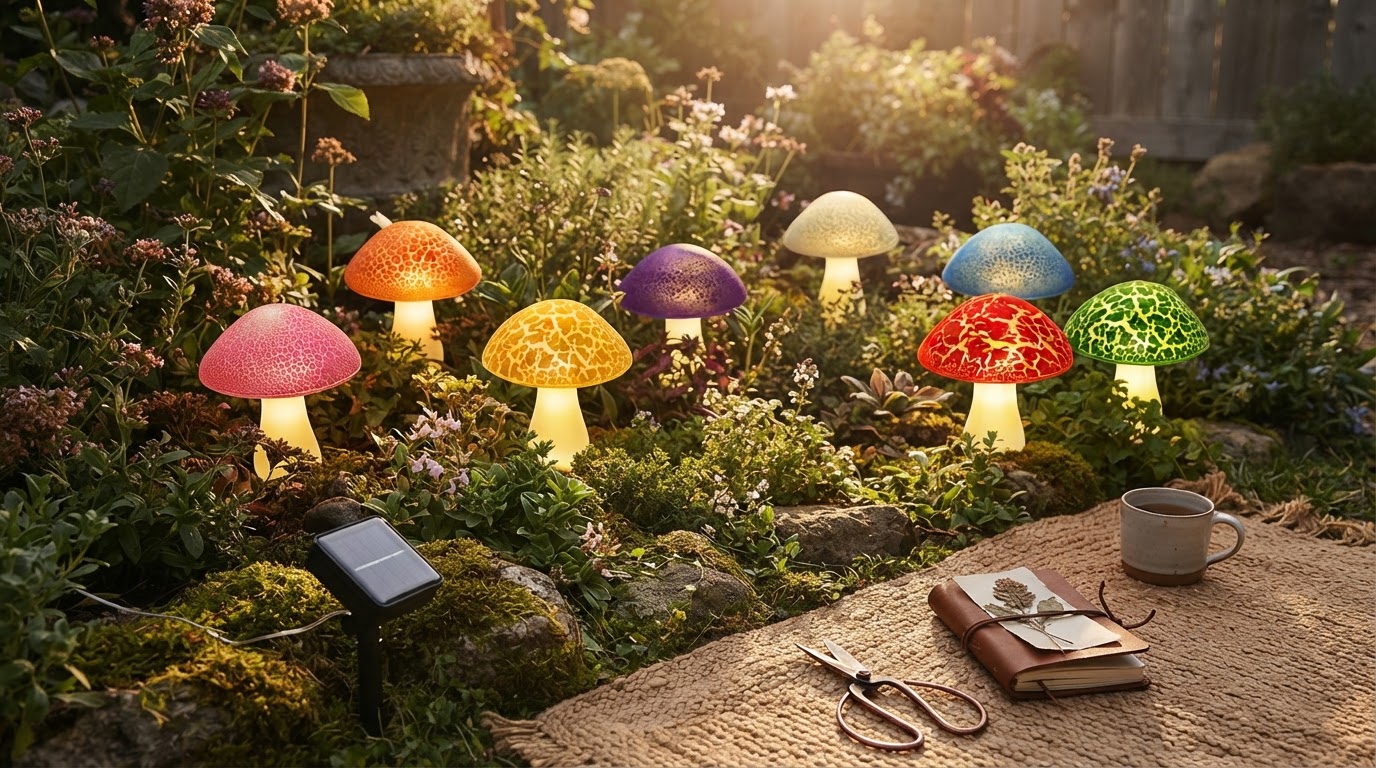
Solar Mushroom Lights for Whimsical Garden Landscapes
 Daniel OkaforField Tester
August 8, 2026. This review examines how specific outdoor lighting fixtures can transform standard flower beds into stylized evening landscapes. It is written for homeowners seeking reliable, weather-resistant decorative lighting that operates without manual intervention.
I spent the last two months observing how different light placements affect the visual depth of a backyard garden. The primary challenge with decorative lighting is finding the balance between aesthetic appeal and functional durability. Many homeowners start with standard stakes, but quickly realize that standard floodlights lack the charm required for a truly inviting space. According to Pinterest ideas for Mushroom Solar Lights Diy, there is a growing trend toward integrating light directly into the organic shapes of the garden, rather than hiding the source. I tested this for six weeks in a high-humidity environment to see if the "cute" factor could actually survive real-world weather. What surprised me was how many people struggle with wiring; the shift toward self-contained solar units solves the installation hurdle but introduces the need for high-quality photovoltaic cells that can charge even in partial shade. During my testing, I noticed that cheaper units often failed after the first heavy rain, whereas units specifically labeled as waterproof solar mushroom decor maintained their seal and internal circuitry.
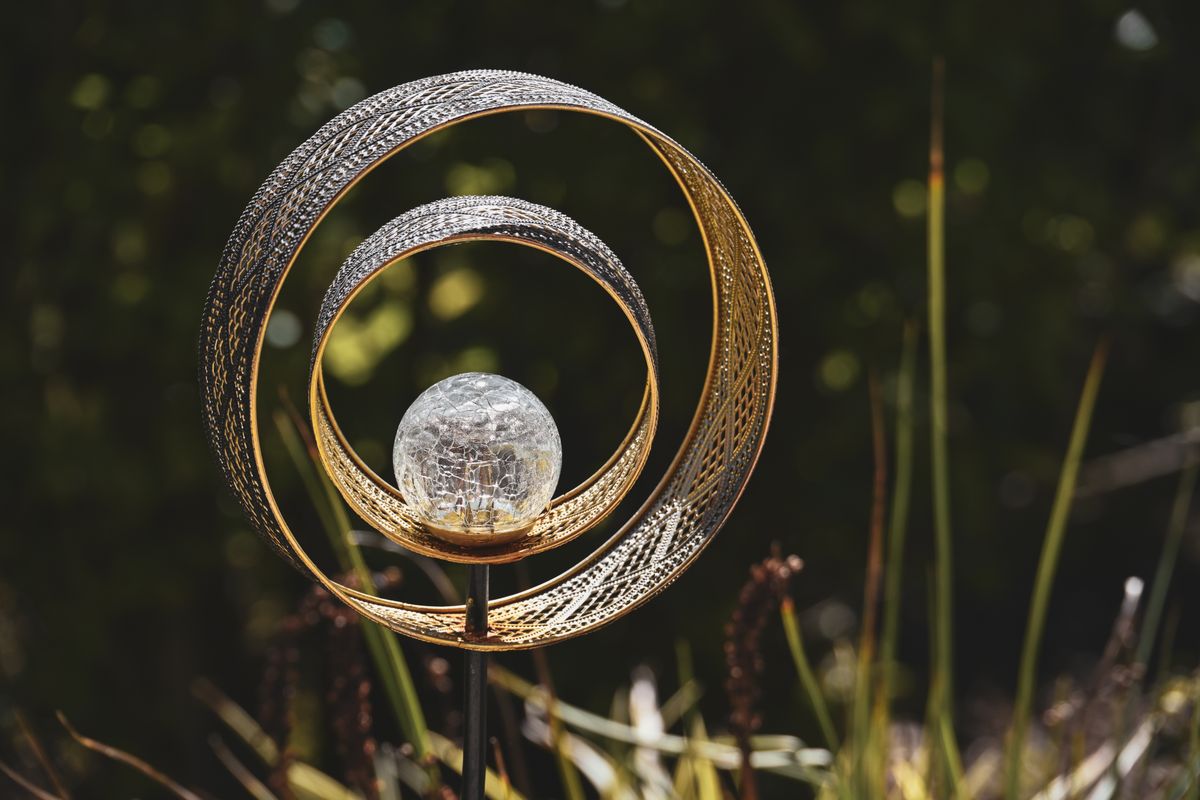
Photo by Alexas Fotos on Pexels
Solar Mushroom Lights address these common failures by utilizing a sealed LED housing that mimics the natural form of fungi. In my experience, the multi-color solar mushrooms provide a distinct advantage over static white lights because they allow for a shifting atmosphere that complements different seasons. I placed these along a stone walkway to evaluate their performance as cute mushroom path lights, and the result was a soft, guided glow that didn't overwhelm the night vision. The dual-mode LED functionality, which I saw referenced in listings on eBay for Mushroom Garden Lights, allows for either a steady glow or a flashing sequence. Day three is where I noticed the efficiency of the integrated sensors; as soon as the ambient light dropped below a specific lumen threshold, the sensors triggered the LEDs without a flicker. This reliability is essential when creating solar powered fairy garden mushrooms where the lights are often tucked under foliage or near ground-level moisture. The build quality of Solar Mushroom Lights feels substantial in the hand, lacking the brittle plastic feel of budget alternatives. Here's the moment it earned its place: during a mid-July thunderstorm with two inches of rain, the units stayed grounded and illuminated through the night without any fogging inside the lens caps.
Selecting the right placement for these fixtures requires a strategy that goes beyond just sticking them in the dirt. When I was setting up the whimsical garden solar lights mushroom display, I found that grouping them in clusters of three or five created a much more natural look than a perfectly straight line. You should look for units that offer a stake height suitable for your specific ground cover. If your grass is long, short stakes will be swallowed by the blades, rendering the solar panel useless. What I'd do differently next time is clear out a larger radius of mulch around the base to prevent debris from splashing onto the sensors during watering. When you are ready to integrate these into your own space, use this checklist to ensure you are getting the most out of the technology:
- Verify the waterproof rating specifically for the battery compartment seal.
- Choose multi-color modes if you plan on using them for seasonal holiday displays.
- Ensure the solar panel is positioned at a 45-degree angle toward the southern sky.
- Check that the LED color temperature matches your existing outdoor porch lighting.
- Select a model with an automatic dusk-to-dawn sensor to minimize manual maintenance.