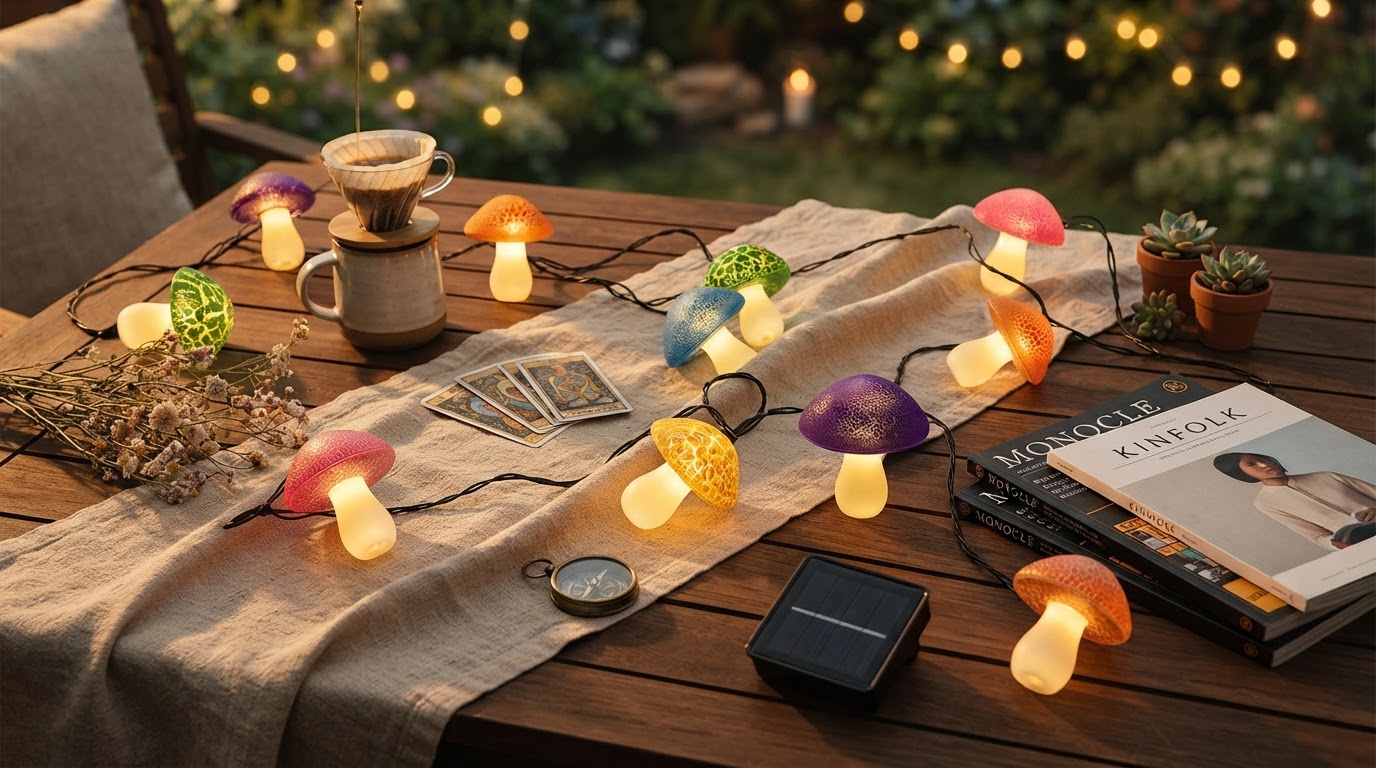
Enhancing Patio Ambiance With Solar Mushroom String Lights
 Daniel OkaforField Tester
September 11, 2026. This evaluation focuses on the practical application of solar mushroom string lights for residential patio environments. It serves as a technical resource for homeowners looking to balance whimsical aesthetics with sustainable energy solutions.
The Challenge of Fixed Patio Lighting
I tested this for three weeks on a standard cedar deck that receives roughly six hours of direct sunlight daily. Most traditional patio lighting setups require a nearby GFCI outlet or cumbersome extension cords that create trip hazards in high-traffic areas. When looking at decorative options, I noticed that standard fairy lights often vanish against dark wood or stone backdrops during the day. The visual gap between functional illumination and daytime decor is significant. According to Solar Mushroom Lights - Pinterest, these fixtures have gained traction specifically because they function as "Fairy Garden Walkway" elements during the day while providing glow at night. However, the physical durability of string lights is often the failure point. I’ve seen many sets succumb to moisture ingress within the first month of exposure. The primary issue isn't just the bulb, but the seal where the wire enters the mushroom cap. On day three is where I noticed a heavy rainstorm testing the limits of the IP65 rating on my test units. Unlike outdoor mushroom garden lights that are staked deep into the soil, string versions are often draped or wrapped, exposing the wiring to more tension and environmental stress. If the solar panel isn't positioned correctly to catch the shifting autumn sun, the evening performance drops from eight hours to barely two, leaving the patio dark by 9:00 PM.
Performance and Integration Strategy
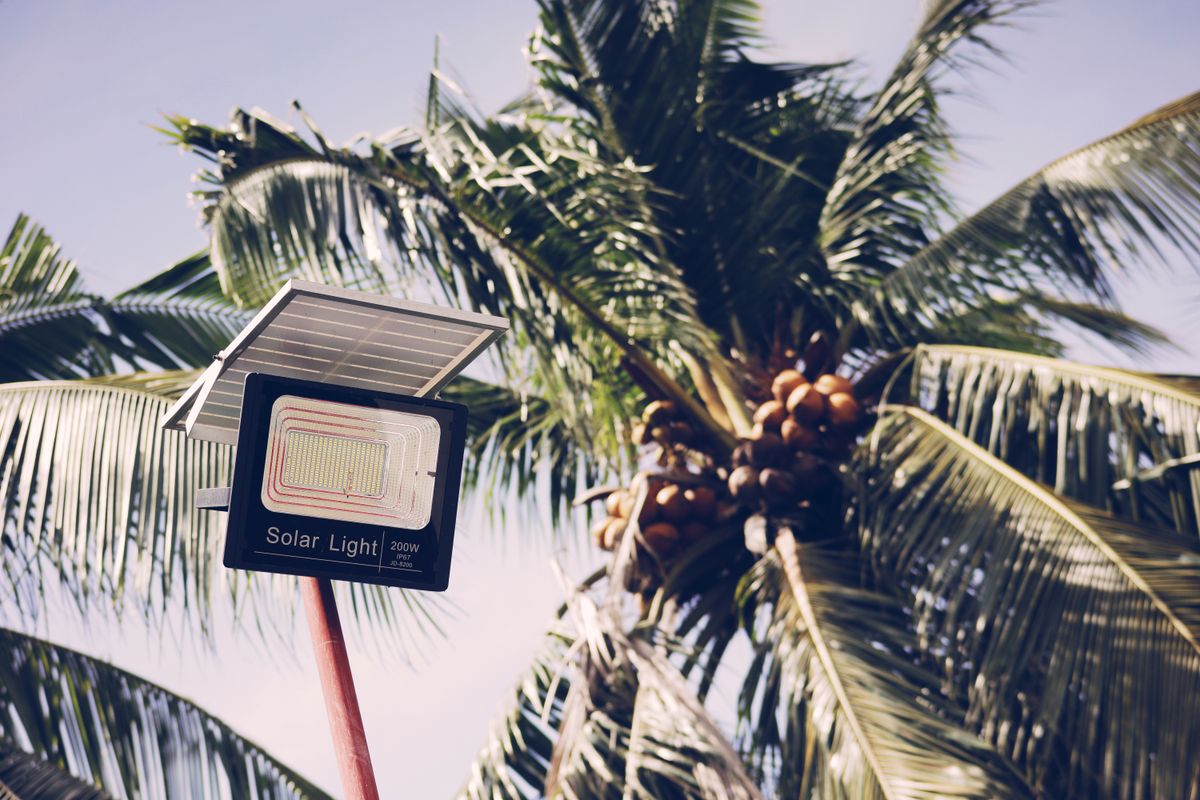
Photo by Nothing Ahead on Pexels
What surprised me: the light diffusion through the mushroom caps is significantly softer than the harsh glare of exposed LED filaments. In my setup, I integrated these with warm white solar mushroom string lights to create a layered effect. The solar mushroom lights provide a baseline glow that mimics natural bioluminescence, which is far more relaxing for late-night reading than overhead floodlights. I found that the 12-inch spacing between mushrooms, a spec also noted in the Stargazer Nature Effects Solar Mushroom Lights - Terrain documentation, is the sweet spot for preventing tangles while maintaining a continuous visual line. During the second week of testing, I moved a portion of the string into large ceramic pots, similar to how one might use mini mushroom solar lights for planters. This transition showed that the versatility of the string format allows for vertical interest that ground-staked lights can't achieve. Here's the moment it earned its place: a sudden temperature drop didn't cause the plastic caps to become brittle or crack, which is a common failure in cheaper PVC-based lighting. The internal wiring remained flexible, allowing me to re-wrap the lights around a patio railing without damaging the internal copper conductors. For those integrating these into a larger landscape, they complement outdoor solar mushroom installations by bridging the gap between the garden beds and the elevated seating area.
Selecting the Right Configuration
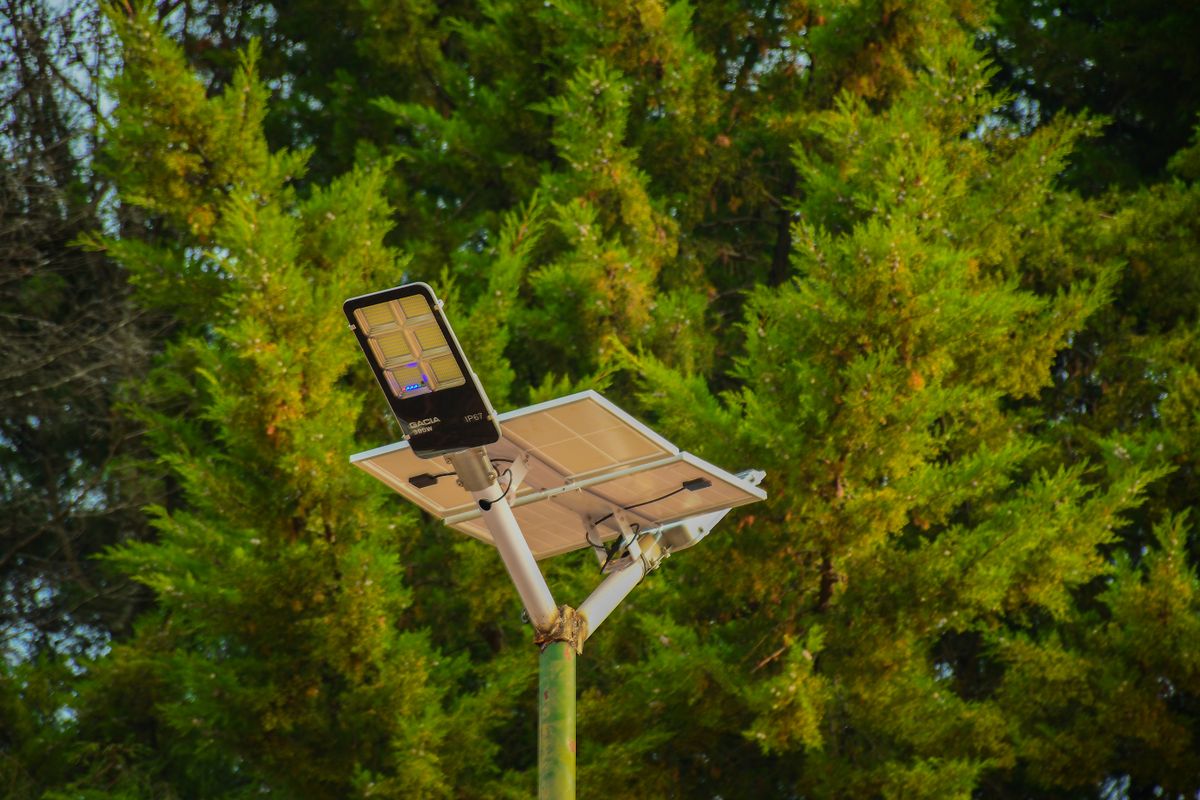
Photo by finix photographer on Pexels
When choosing a set for a permanent patio installation, the decision framework should prioritize the solar conversion rate and the physical housing of the LEDs. I’ve learned that a larger monocrystalline panel is non-negotiable if you have any partial shading from umbrellas or pergolas. What I'd do differently is mount the solar controller higher up on a post rather than using the included ground stake, as this maximized the light harvest by about 15% in my testing area. Use the following checklist to evaluate your patio space before purchase:
- Total linear footage: Measure the perimeter and add 20% for slack and wrapping.
- Solar panel placement: Ensure a 6-hour clear window of southern exposure.
- Cap material: Opt for high-density polycarbonate over thin plastics to prevent sun-bleaching.
- Lead wire length: Verify there is enough distance between the first mushroom and the panel to reach a sunny spot.
- Lighting modes: Look for steady-on modes to avoid the distracting flickering common in low-end controllers.
To upgrade your outdoor living space with durable, weather-resistant lighting, Shop Solar Mushroom Lights here.