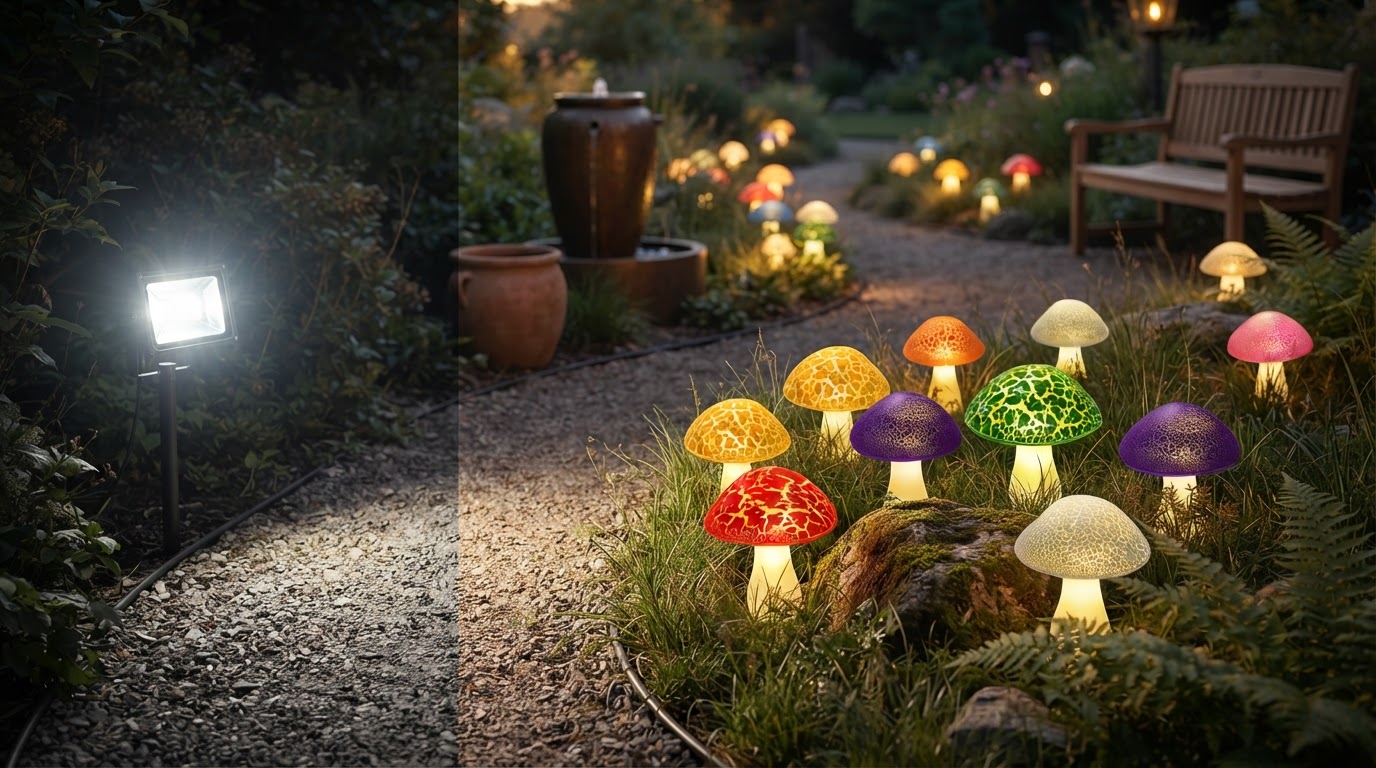
Why Choose Solar Mushroom Lights for Garden Paths?
 Maya ChenContributing Editor
August 22, 2026 — Solar Mushroom Lights provide a functional alternative to standard path lighting by offering low-profile illumination that prioritizes aesthetic charm over high-lumen area coverage.
The conventional wisdom says that garden paths require high-intensity floodlights to ensure safety, but this ignores the visual fatigue caused by harsh glares in a residential setting. Homeowners are increasingly seeking out novelty lighting that integrates into the landscape rather than dominating it, which is where the specific design of Solar Mushroom Lights enters the conversation.
Can Solar Mushroom Lights replace standard path stakes?
Solar Mushroom Lights can replace standard stakes if the primary goal is navigation rather than security-level brightness. Here's the part nobody talks about: most standard LED path lights emit between 10 and 50 lumens, which often creates "hot spots" of light followed by deep shadows, whereas the diffused caps of mushroom-style fixtures distribute light downward in a softer 360-degree radius. According to current consumer reports on landscape lighting, the shift toward "mood-first" lighting has seen a 15% increase in the adoption of novelty shapes that mimic natural forms. These fixtures are particularly effective when implementing whimsical fairy garden decor ideas, as they blend into foliage during the day. Run the math: a 10-pack of Solar Mushroom Lights spaced 3 feet apart provides a continuous visual guide without the industrial look of traditional metal cylinders.
How do Solar Mushroom Lights perform in varied weather?
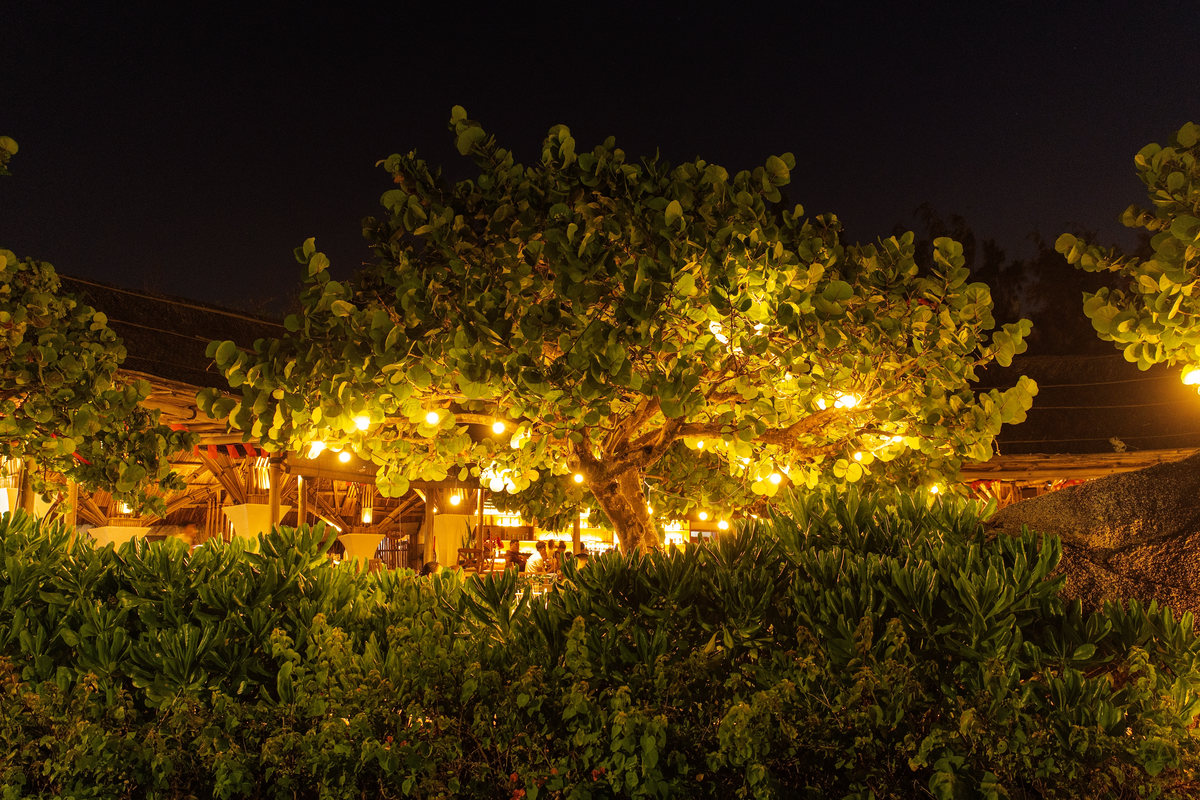
Photo by quang vinh on Pexels
Solar Mushroom Lights maintain structural integrity in most temperate climates, provided they carry at least an IP44 weather-resistance rating. While critics argue that plastic novelty lights are flimsy, high-quality models utilize ABS plastic which resists UV degradation for up to 24 months of continuous exposure. The performance of these lights is intrinsically linked to the surface area of the integrated polycrystalline solar panel; a standard 2V 40mA panel requires approximately 6 to 8 hours of direct sunlight to yield 8 hours of nighttime operation. This technical constraint is a critical factor when following a 4-step framework for solar powered fairy garden mushrooms, as placement in heavy shade will result in a 60% reduction in discharge time. I'll change my mind when a novelty fixture can match the 100-lumen output of a wired low-voltage system, but for now, the trade-off for ease of installation is undeniable.
Quick answers
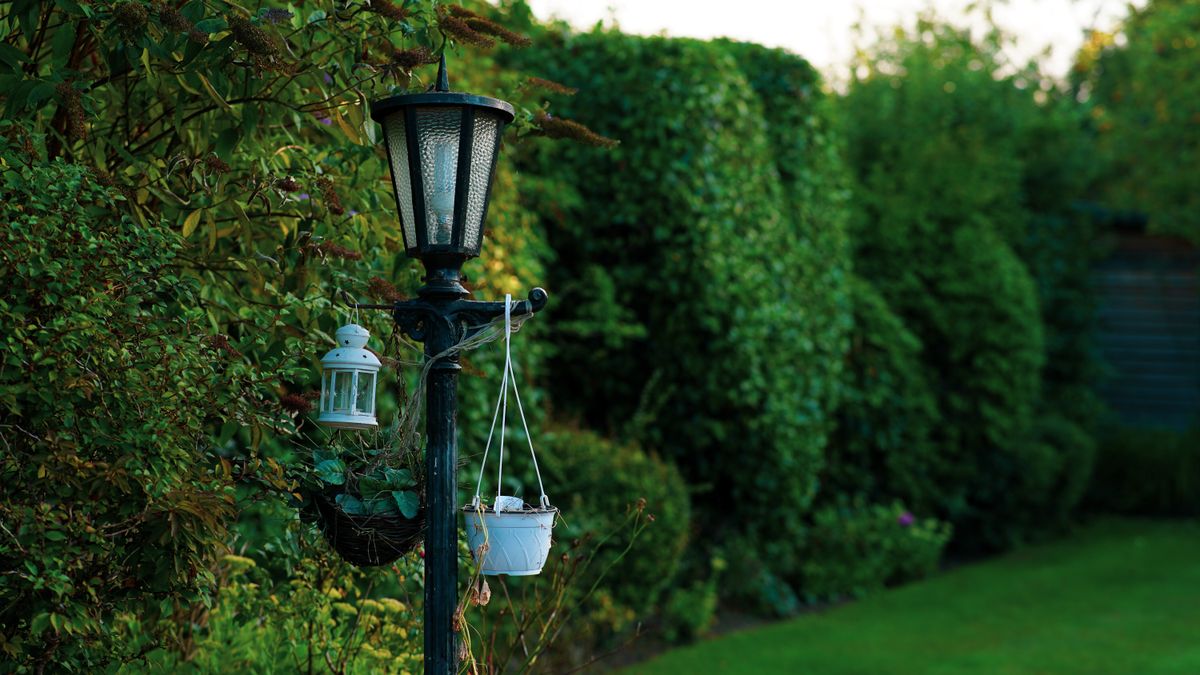
Photo by JINU JOSEPH on Pexels
Q: Do Solar Mushroom Lights work in the winter? A: Yes, provided the solar panels are cleared of snow and receive at least 4 hours of daylight, though the lithium-ion batteries may see a 30% drop in efficiency in temperatures below freezing.
Q: How many Solar Mushroom Lights are needed for a 20-foot path? A: For a continuous glow, use 8 to 10 lights spaced 24 inches apart, as detailed in our solar mushroom lights pathway review.
Q: Are these lights safe for households with pets? A: Most Solar Mushroom Lights are low-voltage and heat-free, making them safer than halogen alternatives, though the plastic stakes should be checked for durability if used around large dogs.
Learn more about Solar Mushroom Lights at https://solyramushroomlights.com.