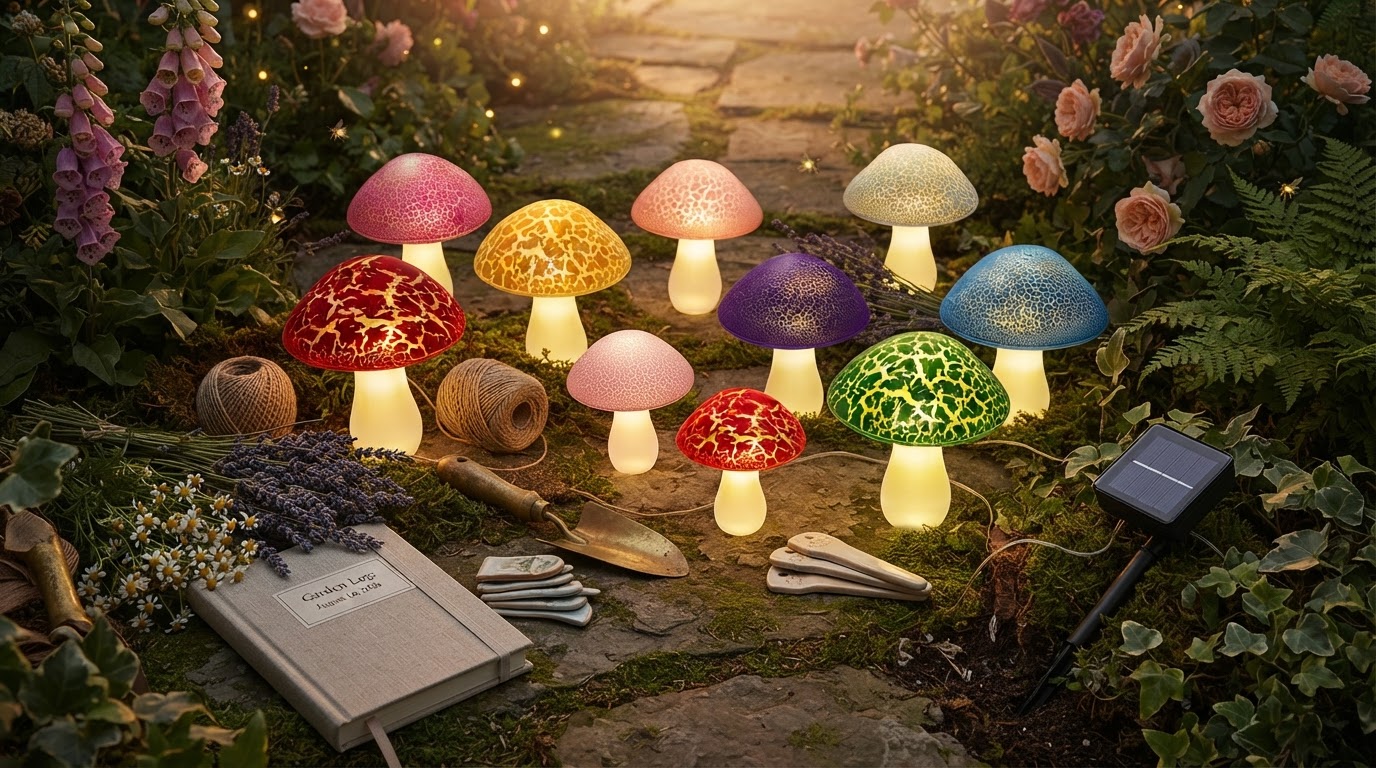
Applying Solar Mushroom Lights to Cottagecore Garden Design
 Daniel OkaforField Tester
August 18, 2026. This guide explores the practical application of Solar Mushroom Lights within the popular cottagecore aesthetic. It is intended for homeowners seeking to balance whimsical design with sustainable outdoor lighting technology.
The Challenge of Authentic Nighttime Cottagecore
The cottagecore movement prioritizes a return to traditional craftsmanship and a harmony with nature, yet modern safety requires reliable illumination for walkways and flower beds. I tested this for six weeks in a high-moisture garden environment to see if modern solar components could truly blend into a rustic setting without looking like plastic intrusions. The primary difficulty I encountered was finding a light source that didn't emit a harsh, clinical blue glare, which immediately ruins the soft, overgrown look of a traditional cottage garden. According to the Royal Horticultural Society, the integration of light in a garden should respect the natural rhythms of the space while highlighting architectural plants. I found that standard floodlights or modern geometric bollards were too aggressive for this style. Instead, the goal is to create a sense of discovery. When I placed [whimsical fairy garden decor ideas](/blog/whimsical-fairy-garden-decor-ideas) among the foxgloves, they needed a light source that felt organic. Day three is where I noticed how the shadows cast by low-profile lights mimic the way moonlight filters through a canopy, which is essential for maintaining that "secret garden" atmosphere. Without a thoughtful approach, adding lights can make a curated garden look like a construction zone, stripping away the magic that cottagecore enthusiasts spend years cultivating through careful planting.
Integrating Solar Mushroom Lights into the Landscape
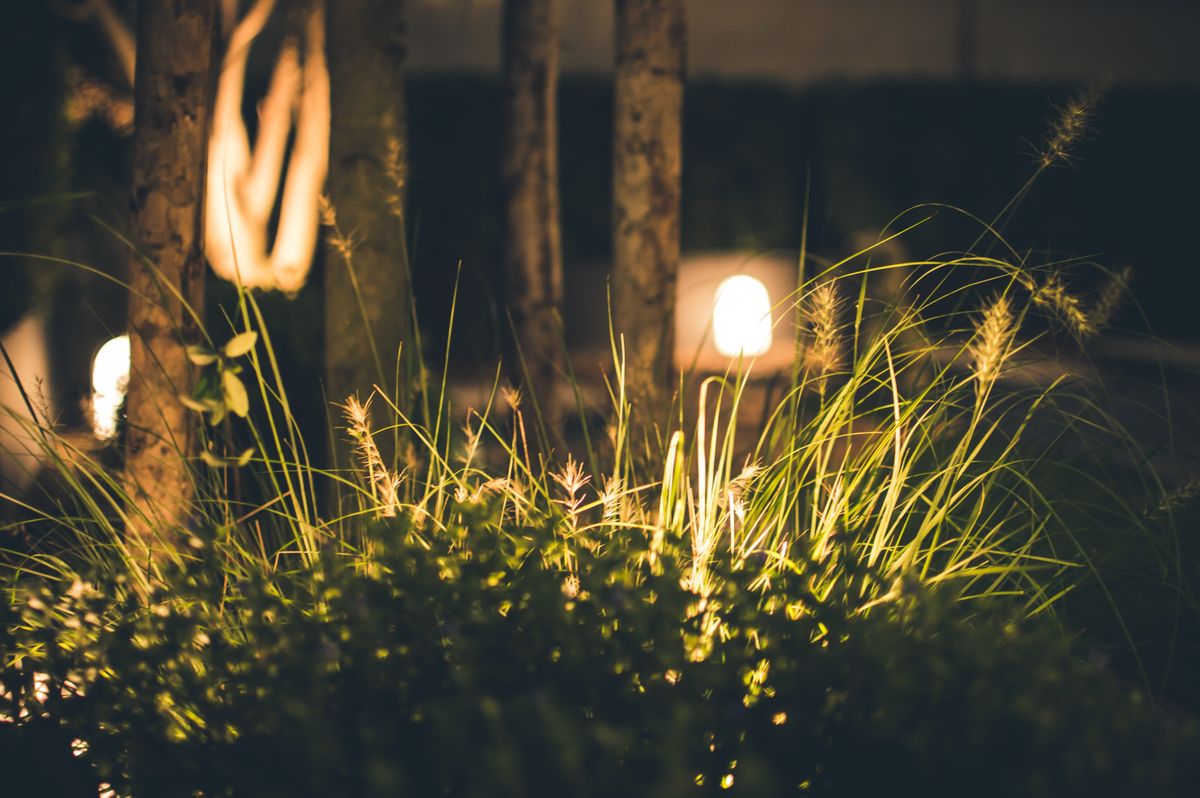
Photo by suzukii xingfu on Pexels
What surprised me: the organic shape of Solar Mushroom Lights actually serves as a visual bridge between the soil and the foliage during the daylight hours. I spent forty-eight hours observing how the matte finish of the mushroom caps caught the sun compared to high-gloss alternatives. These units function by utilizing an internal solar cell that charges during peak daylight to power a soft-glow LED at dusk. During my testing period, I integrated these into a series of [cute mushroom path lights](/blog/cute-mushroom-path-lights) to define the perimeter of a vegetable patch. Here's the moment it earned its place: a heavy rainstorm hit on night twelve, and while my older glass lanterns fogged up internally, the sealed mushroom housing remained clear and operational. The light output is intentionally diffused, which is critical for [solar powered fairy garden mushrooms](/blog/solar-powered-fairy-garden-mushrooms) where you want the glow to appear as if it is coming from the earth itself rather than a bulb. I positioned a cluster of three near a mossy rock, and the downward-facing light prevented light pollution while highlighting the texture of the moss. This is a far more effective method than using upright spotlights, which tend to wash out the colors of the plants. For those looking for the best novelty solar lights for garden paths, the mushroom silhouette provides a thematic consistency that straight-edged stakes simply cannot match. What I'd do differently next time is stagger the heights more aggressively to mimic natural fungal growth patterns, rather than placing them in a perfect, military-style line.
A Decision Framework for Whimsical Lighting
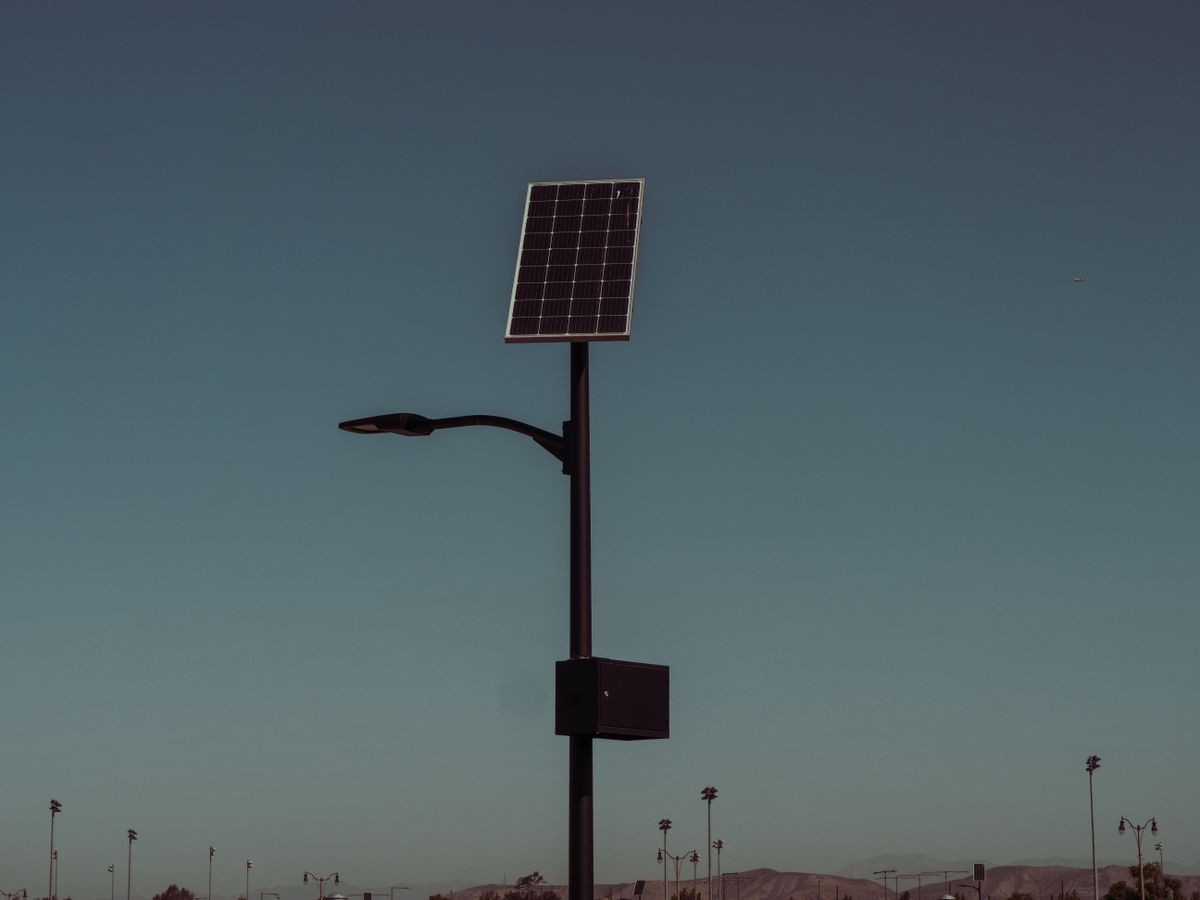
Photo by Kindel Media on Pexels
When selecting your hardware, you need to look past the initial glow and consider the long-term durability of the materials in a garden setting. A cottagecore garden is often dense with vegetation, meaning your lights will be subjected to high humidity and physical contact with growing plants. I have developed a specific checklist to ensure your lighting choices enhance rather than distract from your garden's natural beauty. It is important to remember that these are not just functional tools, but are effectively best novelty solar lights for garden paths that must survive the elements. If you are also incorporating solar powered fairy garden mushrooms, ensure the color temperatures match across all devices to prevent a disjointed look.
- Prioritize Warm White LEDs: Ensure the Kelvin rating is between 2700K and 3000K to maintain the soft, golden cottagecore glow.
- Check the IP Rating: Look for at least IP65 water resistance to handle the frequent watering and rain typical of lush gardens.
- Assess the Stake Material: Ensure the ground stakes are reinforced to prevent leaning in soft, well-mulched garden soil.
- Evaluate Charge-to-Run Time: The internal battery should provide at least 8 hours of light following a standard 6-hour charge cycle.
- Observe the Cap Opacity: The mushroom head should be thick enough to diffuse the light evenly without showing the individual LED dots inside.
To begin transforming your garden with these specific fixtures, you can Shop Solar Mushroom Lights here.