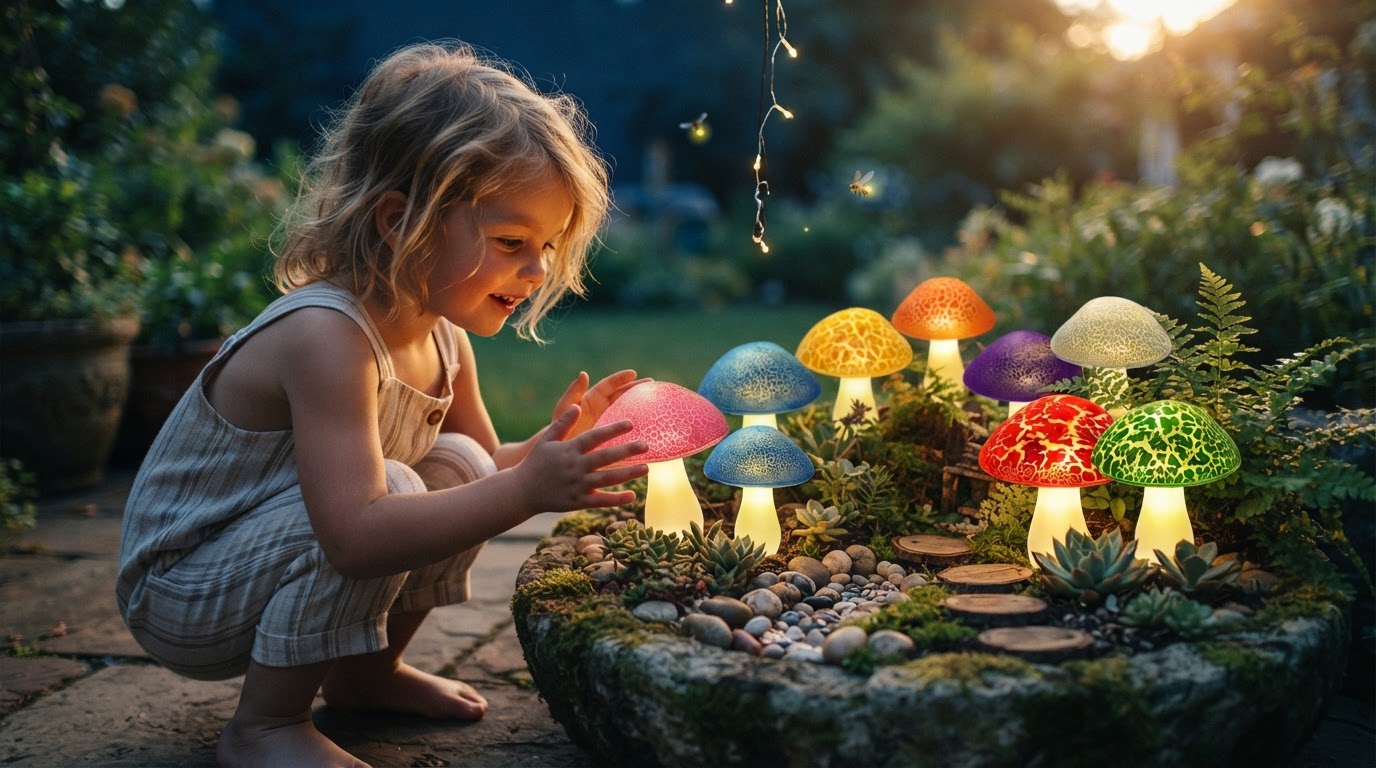
A 4-Step Framework for Solar Powered Fairy Garden Mushrooms
 Priya RamanSenior Analyst
August 19, 2026 — The rising demand for integrated landscape aesthetics has positioned Solar Mushroom Lights as a primary tool for homeowners looking to blend functional illumination with narrative garden design. This shift toward miniature ecosystems requires a structured approach to placement and power management.
Effective garden design relies on the balance between focal points and ambient lighting. According to the International Dark-Sky Association, proper outdoor lighting should minimize glare and light trespass while enhancing visibility. When installing solar powered fairy garden mushrooms, think of it as a matrix of height and luminosity. By positioning these fixtures among low-lying groundcover, you create a layered effect that mimics natural forest floors without the need for complex electrical wiring. This strategy is particularly effective when implementing whimsical fairy garden decor ideas that require subtle, warm-toned highlights rather than harsh floodlights.
The 4-Step Installation Framework
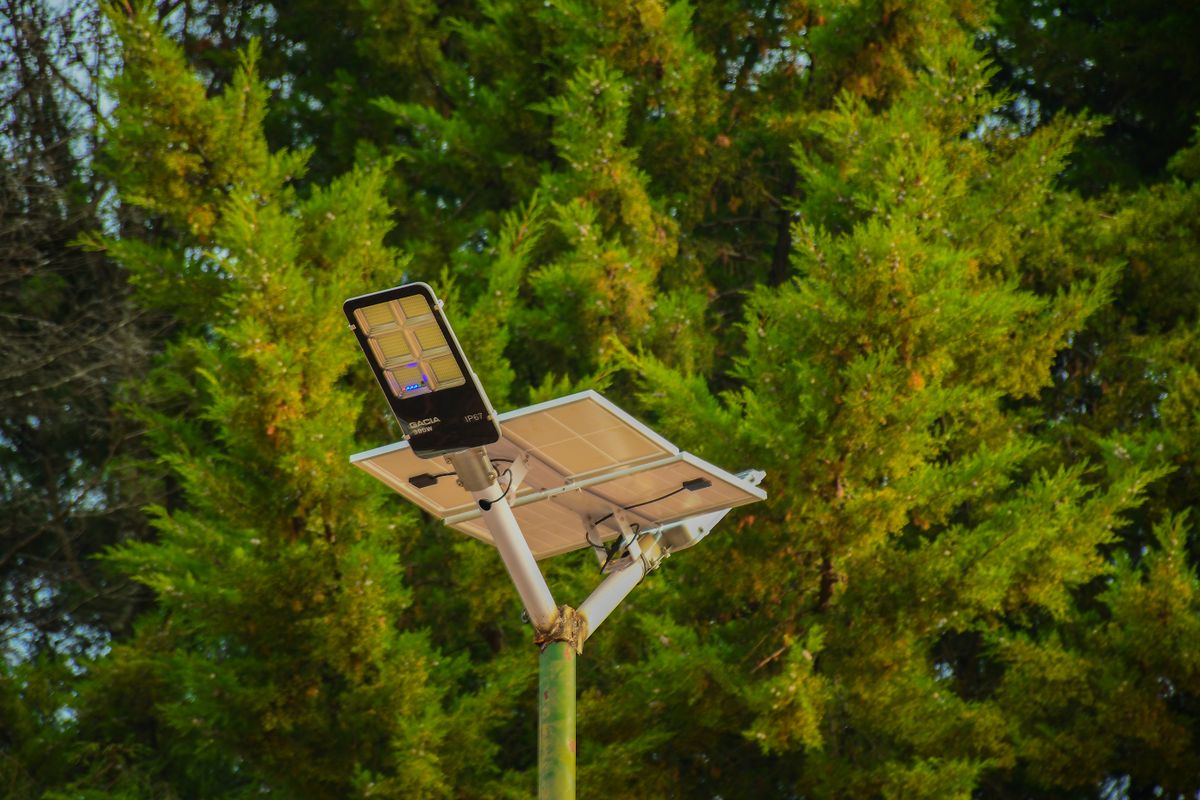
Photo by finix photographer on Pexels
To achieve professional results, the installation of Solar Mushroom Lights should follow a specific sequence: site assessment, solar orientation, depth calibration, and cluster density. First, identify high-moisture areas where natural fungi thrive, as these locations provide the most authentic backdrop for [cute mushroom path lights](/blog/cute-mushroom-path-lights). Second, ensure the integrated photovoltaic panels receive at least six hours of direct sunlight; even partial shading from overhanging leaves can reduce runtime by up to 40%. Third, calibrate the stake depth to ensure the "cap" sits just above the foliage line. Finally, determine the cluster density. The decision rule: for path borders, space units 12 inches apart, but for garden beds, group them in odd-numbered clusters of three or five to create a naturalistic appearance. This method integrates seamlessly with [cottagecore garden lighting ideas](/blog/applying-solar-mushroom-lights-to-cottagecore-garden-design), emphasizing organic flow over rigid geometry. While many homeowners initially seek the best novelty solar lights for garden paths, the longevity of the installation depends entirely on these four variables.
Expert tip: Periodically wipe the solar collectors with a damp microfiber cloth to remove pollen and dust, as a clean surface can improve charging efficiency by approximately 15% in low-light seasons.
Once you see it this way, the transition from day to night becomes a deliberate design choice rather than an accidental effect. Proper placement ensures that the solar powered fairy garden mushrooms serve as both a daytime ornament and a reliable evening guide.